Follow Me On Social Media!
High-Protein Cottage Cheese Egg Salad.

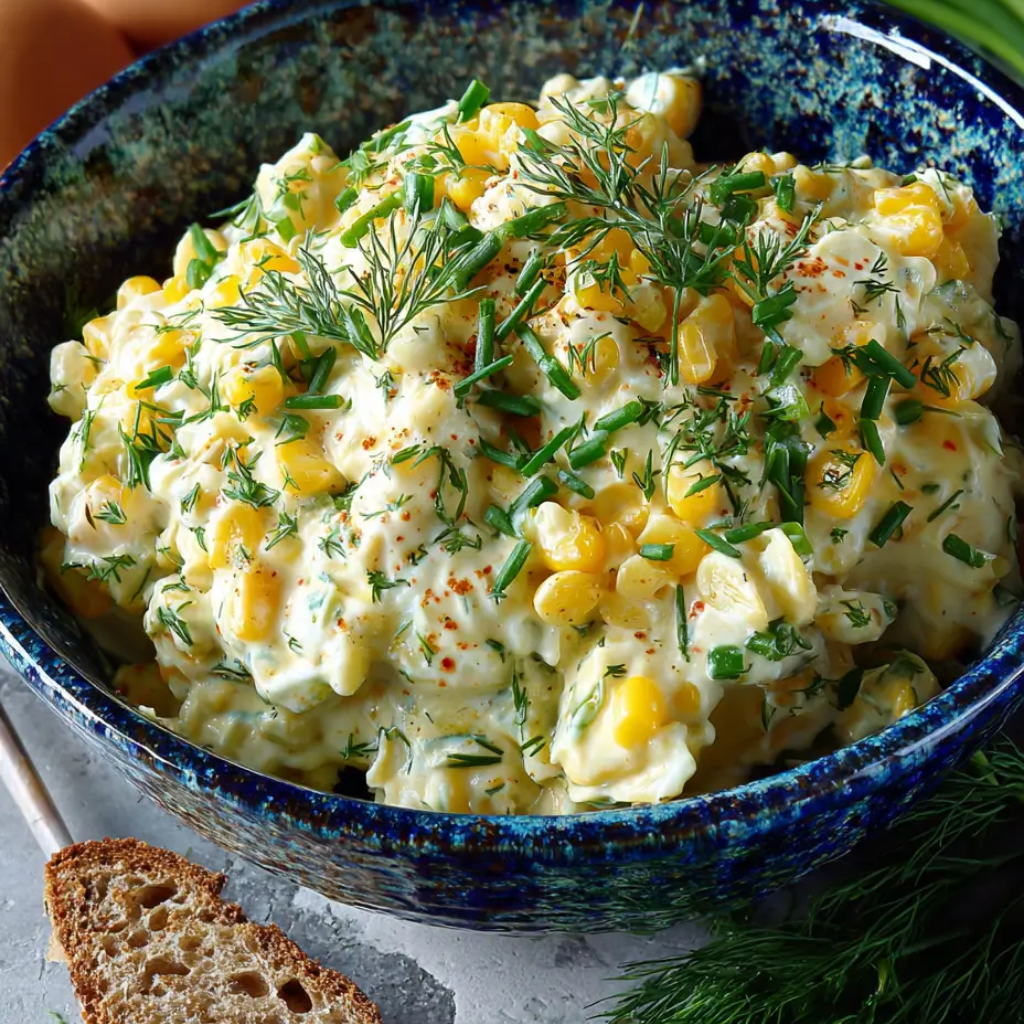
Traditional egg salad is a kitchen staple for a reason. It is reliable, nostalgic, and incredibly simple to throw together. However, it often relies heavily on mayonnaise, which can make the finished dish feel heavy or one-dimensional. By swapping a significant portion of that mayo for cottage cheese, you transform a classic into something much lighter, brighter, and significantly more satisfying.
This cottage cheese egg salad isn’t just a “healthy swap” for the sake of nutrition; it’s actually a texture upgrade. The curd of the cottage cheese blends seamlessly with the chopped egg whites, while the added moisture creates a dressing that coats every ingredient without being greasy. Whether you are looking for a quick post-workout lunch or a meal-prep option that actually keeps you full until dinner, this version hits the mark. It balances the richness of the yolks with a tangy, zesty finish that feels modern and fresh.
Ingredients
To get the best results, use the freshest eggs you can find. Since this recipe has a short ingredient list, the quality of each component really stands out.
- Large Eggs: 6 to 8, hard-boiled and cooled.1
- Cottage Cheese: 1 cup. Use small curd for a smoother texture. Full-fat (4%) provides the best flavor, but 2% works well too.
- Greek Yogurt or Mayo: 2 tablespoons. This adds a bit of silkiness to bridge the cottage cheese and yolks.
- Dijon Mustard: 1 tablespoon for a sharp, vinegary kick.
- Celery: 2 stalks, finely diced for essential crunch.
- Red Onion or Shallot: 2 tablespoons, very finely minced.
- Fresh Dill: 2 tablespoons, chopped.2 This is the secret to making it taste professional.
- Lemon Juice: 1 teaspoon, freshly squeezed.
- Salt and Black Pepper: To taste.
- Optional Add-ins: A pinch of smoked paprika or a dash of hot sauce for depth.
Instructions
Preparing the Eggs
The foundation of any great egg salad is a properly cooked egg. To avoid the dreaded gray-green ring around the yolk, place your eggs in a pot and cover them with an inch of cold water. Bring the water to a rolling boil, then immediately remove the pan from the heat and cover it with a lid. Let the eggs sit in the hot water for exactly 12 minutes.
While they sit, prepare an ice bath. Once the timer goes off, transfer the eggs to the ice water for at least 10 minutes. This “shocks” the eggs, stopping the cooking process and making them much easier to peel. Once cooled, peel the eggs and give them a rough chop. You want a mix of small bits and slightly larger chunks to keep the texture interesting.
Mixing the Base
In a medium-sized mixing bowl, combine the cottage cheese, Greek yogurt (or mayo), Dijon mustard, and lemon juice. If you prefer a very smooth dressing, you can pulse the cottage cheese in a small food processor or blender for 10 seconds before adding the other ingredients. This removes the “curd” texture and turns it into a thick, velvety cream. However, most people find that once everything is mixed together, the natural texture of the cottage cheese blends right in with the eggs.
Folding it Together
Add the chopped eggs, diced celery, minced red onion, and fresh dill to the bowl with the dressing. Use a large spoon or spatula to gently fold the ingredients together. You want to be careful not to over-mix; if you stir too vigorously, the yolks will completely disintegrate into the dressing, making the salad look muddy. Aim for a cohesive mixture where you can still see distinct pieces of egg and green herbs.
Final Seasoning
Taste the salad before adding salt. Cottage cheese can vary significantly in saltiness depending on the brand. Add a pinch of sea salt and a generous amount of freshly cracked black pepper. If the flavors feel a bit flat, add another tiny squeeze of lemon juice or a drop more mustard. The acidity is what makes the protein feel light rather than heavy.
Flavor and Texture Notes
The first thing you will notice about this recipe is the brightness. Unlike a standard deli-style egg salad that can feel weighted down by fat, the cottage cheese and lemon juice provide a clean, lactic tang. It tastes “green” and vibrant, largely due to the fresh dill and the sharp bite of the red onion.
Texture-wise, it is a play on contrasts. You have the soft, tender egg whites and the creamy, rich dressing playing against the very specific, watery snap of the celery. Because the cottage cheese adds its own structural “beads,” the salad feels more substantial. It’s less of a paste and more of a structured salad, which makes it feel like a complete meal rather than just a sandwich filler.
Tips and Variations
The beauty of this recipe is how easily it adapts to what you have in your pantry.
- The Everything Bagel Twist: Omit the fresh dill and add a tablespoon of “Everything Bagel” seasoning. This adds garlic, onion, and sesame notes that pair perfectly with the creaminess of the cottage cheese.
- The Spicy Version: Mix in finely chopped pickled jalapeños or a teaspoon of sriracha. The cool cottage cheese balances the heat beautifully.
- Avocado Swap: If you want to go dairy-free (though obviously keeping the eggs), you can swap the cottage cheese for mashed avocado, but keep the lemon juice to prevent browning.
- Added Greens: Stir in a handful of chopped baby spinach or arugula right before serving for extra volume and nutrients.
- Texture Boost: If you find the salad too “wet,” you can add a tablespoon of hemp seeds. They soak up a bit of the moisture and add a subtle nutty flavor.
Storage and Make-Ahead
This is an excellent candidate for meal prep, with one small caveat: cottage cheese tends to release a little liquid as it sits.
Store the egg salad in an airtight glass container in the refrigerator for up to 3 to 4 days.3 If you see a little bit of liquid at the bottom of the container after 24 hours, don’t worry—just give it a quick stir to re-incorporate everything.
If you are making this for a party or a lunch the next day, it actually tastes better after an hour or two in the fridge, as the flavors of the onion and dill have time to infuse into the dressing. However, I do not recommend freezing this dish, as the texture of both the boiled eggs and the cottage cheese will change unpleasantly when thawed.
Serving Suggestions
While a classic sandwich is the obvious choice, there are plenty of ways to serve this that keep it feeling fresh:
- Lettuce Cups: Use large Bibb or Romaine leaves for a low-carb, crunchy vessel. This is particularly good for a light lunch.
- Open-Faced Toast: Spread a thick layer onto toasted sourdough or rye bread. Top with a few slices of radish or some microgreens for a “fancy cafe” vibe.
- With Crackers: Serve it as a dip with whole-grain crackers, cucumber slices, or bell pepper strips.
- Inside a Tomato: For a retro presentation, scoop out the center of a large, ripe beefsteak tomato and fill it with the egg salad.
FAQ
Can I use fat-free cottage cheese?
You can, but be aware that fat-free cottage cheese is often much more “liquidy” and less creamy than the 2% or 4% versions. If you go fat-free, you might want to strain the cottage cheese through a fine-mesh sieve for 10 minutes to remove excess whey before mixing.
How do I make the eggs easier to peel?
Older eggs actually peel better than farm-fresh ones because the pH level changes over time, loosening the bond between the shell and the white.4 Regardless of age, the most important step is the ice bath. The rapid temperature change helps the egg contract away from the shell.
Is this recipe keto-friendly?
Yes. Eggs and cottage cheese are both excellent sources of protein and healthy fats with very low carbohydrate counts.5To keep the meal keto, serve it in lettuce wraps or simply eat it with a fork rather than on bread.
My egg salad is too runny, how do I fix it?
If the salad seems too thin, you can mash one or two of the hard-boiled yolks separately into a paste and stir them back in. The yolks act as a natural thickener. Alternatively, adding a little more chopped egg or extra celery can help provide more surface area for the dressing to cling to.
Can I use dried herbs instead of fresh?
Fresh dill is highly recommended for the best flavor, but if you must use dried, use about one-third of the amount (2 teaspoons instead of 2 tablespoons). Dried herbs are more concentrated and need time to rehydrate in the dressing.6
Conclusion
Making a high-protein lunch doesn’t have to mean eating plain chicken breasts or chalky protein shakes. This cottage cheese egg salad is a testament to the fact that you can have a meal that is both nutritionally dense and genuinely enjoyable to eat. It’s a simple, honest recipe that relies on pantry staples but delivers a flavor profile that feels elevated.
Give this a try the next time you have a carton of eggs in the fridge. It’s a quick win for your weekday routine and a great way to rediscover a classic dish in a much more balanced way.
Would you like me to suggest a specific bread pairing or perhaps a side salad recipe that complements these savory flavors?