Follow Me On Social Media!
Baked Tasmanian Salmon with Asparagus: A Pure Coastal Classic.

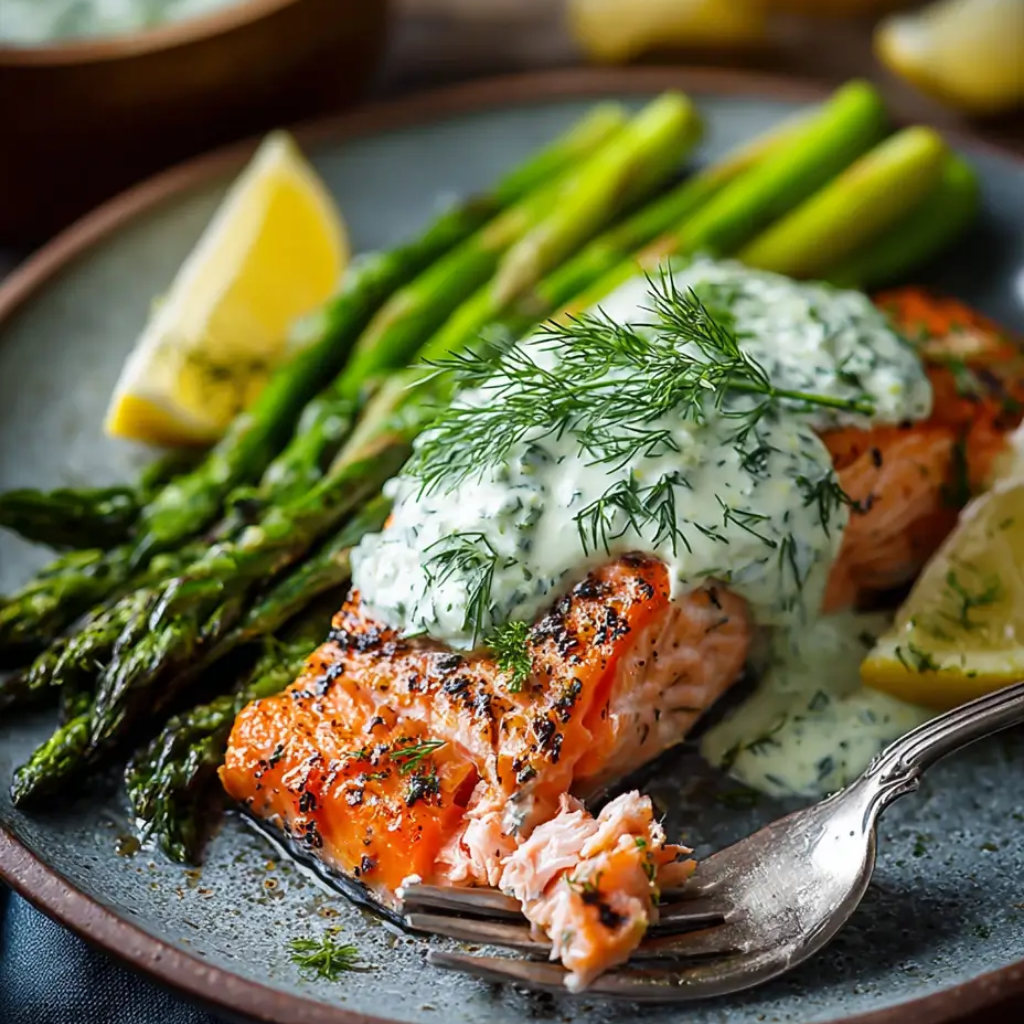
Tasmanian salmon is world-renowned for its vibrant color, high omega-3 content, and exceptionally clean flavor, thanks to the cold, nutrient-rich waters of the Southern Ocean. When you have a protein of this caliber, the goal is not to mask it with heavy sauces, but to enhance its natural richness. Pairing it with tender spring asparagus and a bright citrus infusion creates a balanced, elegant meal that feels light yet deeply satisfying.
This recipe utilizes the “en papillote” (in paper) style of baking, or a direct sheet-pan method, to ensure the fish stays succulent. By roasting the asparagus alongside the salmon, the spears absorb the buttery drippings from the fish, creating a cohesive flavor profile with minimal cleanup. It is a reliable, honest approach to seafood that honors the quality of Australian produce.
Ingredients
The Main Components
- 2 Large Tasmanian Salmon Fillets: Approximately 180g–200g each, skin-on.
- 1 Bunch Fresh Asparagus: Woody ends trimmed.
- 1 Tablespoon Extra Virgin Olive Oil.
- 1/2 Teaspoon Sea Salt.
- 1/4 Teaspoon Cracked Black Pepper.
The Flavor Infusion
- 1 Lemon: Half sliced into thin rounds, half reserved for juice.
- 2 Tablespoons Unsalted Butter: Chilled and cubed.
- 2 Cloves Garlic: Thinly sliced.
- 2 Sprigs Fresh Dill: Roughly torn.
- 1/2 Teaspoon Capers: Drained (optional, for a salty pop).
Instructions
1. Prepare the Oven and Produce
Preheat your oven to 200°C (400°F). Line a large baking tray with parchment paper. Snap the woody ends off the asparagus—they will naturally break at the point where the spear becomes tender. Pat the salmon fillets dry with a paper towel to ensure the seasoning sticks and the skin doesn’t become soggy.
2. Season the Greens
Place the asparagus on one side of the baking tray. Drizzle with half of the olive oil and a pinch of salt and pepper. Toss them directly on the tray to coat evenly, then spread them out into a single layer to ensure they roast rather than steam.
3. Dress the Salmon
Place the salmon fillets on the other side of the tray. Season with salt and pepper. Arrange the garlic slices and lemon rounds directly on top of the fish. Place a few small cubes of chilled butter over the lemon; as it melts in the oven, it will baste the salmon in a garlic-lemon butter sauce.
4. The Bake
Slide the tray into the center of the oven. Bake for 10 to 12 minutes. For Tasmanian salmon, you generally want an internal temperature of about 50°C–52°C for a medium-rare to medium finish, which keeps the center moist and “flakey.” The asparagus should be bright green and just starting to char at the tips.
5. The Finish
Remove the tray from the oven. Immediately squeeze the remaining half of the lemon over the salmon and asparagus while they are still sizzling. Scatter the fresh dill and capers over the top before serving.
Flavor & Texture Notes
The standout feature of this dish is the buttery, melt-in-the-mouth texture of the salmon. Because Tasmanian salmon is naturally oilier than other varieties, it remains incredibly juicy even under high heat.
The asparagus provides a crisp-tender snap and an earthy, slightly bitter contrast to the rich fish. The lemon and dill offer a bright, herbaceous finish that cleanses the palate, making each bite feel as fresh as the first.
Tips & Variations
- The Crispy Skin Option: If you prefer very crispy skin, sear the salmon skin-side down in a hot pan for 3 minutes before placing it on the baking tray to finish in the oven.
- Herb Substitutions: If dill isn’t to your taste, fresh parsley or chives work beautifully as a garnish.
- A Touch of Heat: Sprinkle a few chili flakes over the asparagus before roasting for a subtle spicy undertone.
- The “En Papillote” Method: For an even more tender result, wrap the salmon and asparagus together in a parchment paper pouch to steam in their own juices.
Storage & Make-Ahead
- Refrigeration: Cooked salmon is best enjoyed immediately but can be stored in an airtight container for up to 2 days.
- Cold Serving: Leftover Tasmanian salmon is excellent flaked over a cold grain salad or served on top of a bagel with cream cheese the next morning.
- Reheating: If you must reheat, do so gently at a low temperature (150°C) covered with foil to prevent the fish from becoming “fishy” or dry.
FAQ
How do I know the salmon is cooked?
Use a fork to gently press down on the top of the fillet. If the flesh separates easily along the white lines (the fat deposits), it is ready. It should be opaque on the outside but still slightly translucent in the very center.
Do I need to peel the asparagus?
For standard-sized spears, peeling is unnecessary. However, if you have exceptionally thick “jumbo” asparagus, you may want to use a vegetable peeler on the bottom two inches of the stalk to remove the fibrous outer layer.
Can I use frozen salmon?
You can, but ensure it is completely defrosted in the refrigerator overnight and patted very dry. Frozen fish tends to release more water, so keep an eye on the asparagus to ensure it doesn’t get soggy.
Conclusion
Baked Tasmanian Salmon with Asparagus is a masterclass in letting high-quality ingredients speak for themselves. By using simple aromatics like lemon, garlic, and dill, you elevate the natural flavors of the Southern Ocean without overcomplicating the cooking process. It is a foolproof, nutritious meal that brings a sophisticated coastal dining experience directly to your dinner table.