Follow Me On Social Media!
The Iconic La Scala Chopped Salad: A Beverly Hills Classic.

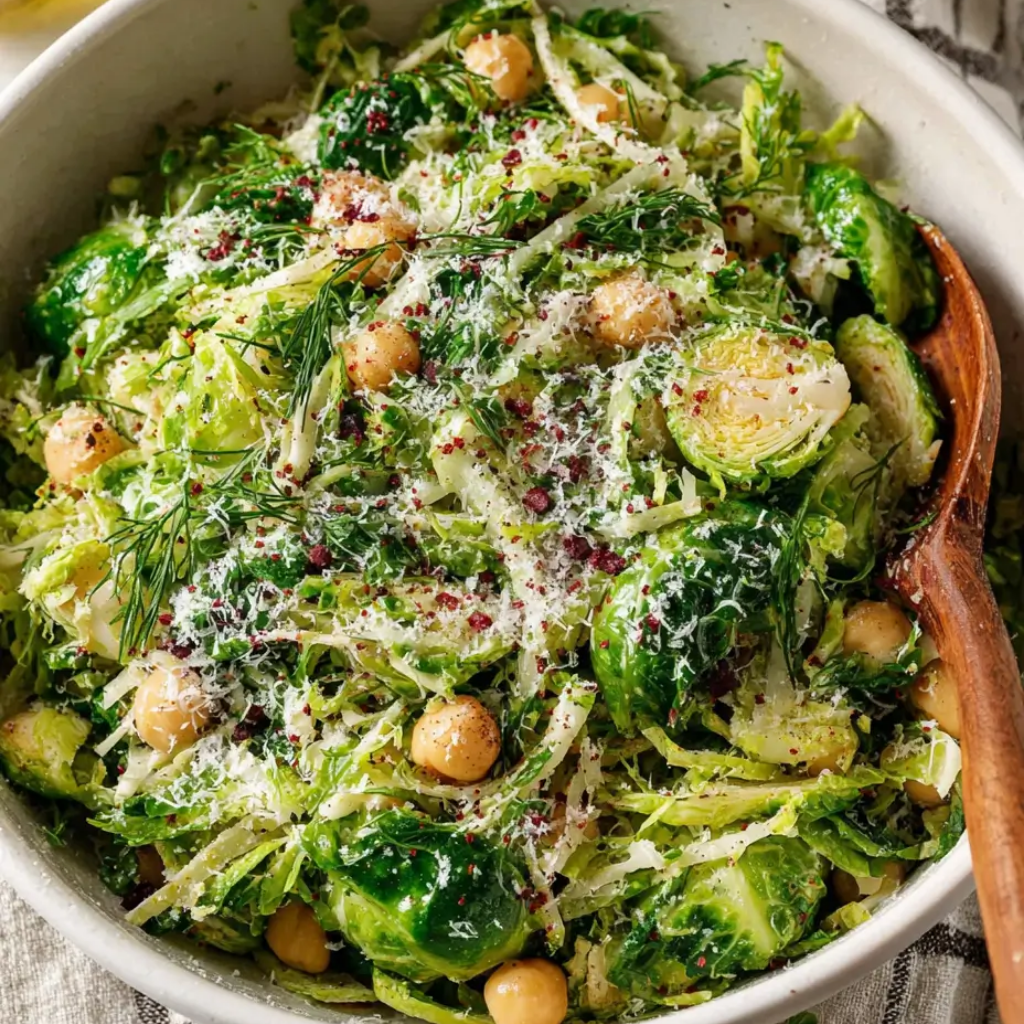
If you have ever spent time in Los Angeles or followed the culinary trends of the West Coast, you have likely heard of the La Scala Chopped Salad. Originally created at the legendary La Scala boutique restaurant in Beverly Hills, this salad achieved a level of fame rarely seen by a plate of greens. It became the go-to meal for Hollywood’s elite, rumored to be a favorite of everyone from Elizabeth Taylor to the Kardashian family.
But beyond the celebrity connections, why has this specific salad endured for decades? The answer lies in the “chop.” Unlike a standard Italian salad where you might find large, unruly leaves of romaine, the La Scala version is finely and uniformly diced. This technique ensures that every single forkful contains a perfect ratio of crisp lettuce, salty salami, creamy chickpeas, and sharp cheese, all coated in a punchy, mustard-forward vinaigrette. It is a lesson in how texture and precision can turn humble pantry staples into a dish that feels like a luxury.
Ingredients
The beauty of this recipe is that it relies on long-lasting ingredients. You can keep most of these items in your fridge and pantry for a quick, impressive lunch at a moment’s notice.
The Salad Base
- Iceberg Lettuce: 1 large head. Iceberg is essential here for its watery, cooling crunch.
- Romaine Lettuce: 1 head, to add a bit of color and a different leaf structure.
- Italian Salami: 1/4 pound, finely julienned or diced.
- Mozzarella Cheese: 1/2 cup, shredded (low-moisture mozzarella works best).
- Marinated Chickpeas: 1 can (15 oz), rinsed and drained.
The Signature “Leon” Dressing
- Extra Virgin Olive Oil: 1/4 cup.
- Red Wine Vinegar: 2 tablespoons.
- Dijon Mustard: 1 tablespoon (the secret to the zing).
- Garlic: 1 clove, finely minced or pressed.
- Dry Mustard Powder: 1/2 teaspoon.
- Salt and Black Pepper: To taste.
- Pecorino Romano or Parmesan: 2 tablespoons, finely grated (mixed directly into the dressing).
Instructions
Emulsifying the Dressing
In a small glass jar or bowl, whisk together the red wine vinegar, Dijon mustard, mustard powder, and minced garlic. Slowly drizzle in the olive oil while whisking constantly to create a thick, stable emulsion. Stir in the grated Pecorino Romano and a generous amount of black pepper. Letting the dressing sit for 10 minutes allows the garlic to mellow and the flavors to unify.
The Precision Chop
This is the most important part of the recipe. Start by washing and thoroughly drying your lettuce. Any excess water will dilute the dressing. Chop the iceberg and romaine into very small, uniform bits—think half-inch squares.
Next, take your salami and stack the slices. Cut them into thin ribbons (julienne), then turn the knife and cut across those ribbons to create small flecks of meat. Do the same with the mozzarella if you aren’t using pre-shredded cheese.
Marinating the Chickpeas
While the original recipe often tosses everything together at once, many home cooks prefer to toss the drained chickpeas in a tablespoon of the dressing first. This ensures the beans, which are the densest part of the salad, are well-seasoned from the inside out.
The Final Assembly
In a very large mixing bowl, combine the finely chopped lettuces, the salami, the mozzarella, and the chickpeas. Pour the dressing over the top. Use a pair of tongs or large spoons to toss the salad vigorously. Because the pieces are so small, you want to make sure the dressing is distributed evenly so that every “nook and cranny” is coated.
Flavor and Texture Notes
The first thing you’ll notice is the crunch. Because the iceberg is chopped so small, it releases a refreshing burst of moisture with every bite. This is immediately followed by the savory, fatty richness of the salami and the mild, creamy pull of the mozzarella.
The flavor is dominated by the dressing—it is sharp, vinegary, and has a slight “nasal” heat from the Dijon and dry mustard. The chickpeas provide a nutty, earthy undertone that makes the salad feel like a full meal rather than a side dish. It is incredibly balanced: salty, acidic, and fresh.
Tips and Variations
While the classic version is iconic, the “chopped” format makes it easy to customize.
- Add a Brine: Many people love to add chopped marinated artichoke hearts or pepperoncini for an extra hit of vinegar.
- Vegetarian Swap: Omit the salami and add extra sundried tomatoes or smoked provolone to maintain that savory “umami” depth.
- Turkey Version: Swap the salami for a high-quality smoked turkey breast for a leaner, lighter profile.
- The “Green” Boost: Stir in some finely chopped fresh parsley or basil at the end to add a floral, herbal lift.
Storage and Make-Ahead
Because iceberg lettuce has a high water content, this salad is best eaten within an hour of dressing. However, it is a fantastic meal-prep candidate if stored correctly:
- The “Dry” Mix: You can chop the lettuce, salami, and cheese and store them in an airtight container for up to 2 days. Keep the chickpeas in a separate small container so they don’t make the lettuce soggy.
- The Dressing: The vinaigrette will keep in the fridge for up to a week. The olive oil may solidify when cold, so simply take it out 15 minutes before serving and give it a good shake.
- Leftovers: If you have already dressed the salad, it will lose its crunch by the next day. If you must save it, try stuffing the leftovers into a pita pocket—the bread will absorb the juices and it tastes surprisingly good as a sandwich the next day.
Serving Suggestions
The La Scala salad is traditionally served in a chilled bowl. To truly mimic the Beverly Hills experience:
- Chilled Plates: Put your serving bowls in the freezer for 5 minutes before plating. It keeps the iceberg extra crisp.
- Crusty Bread: Serve with a side of warm ciabatta or garlic crostini to mop up the mustardy dressing at the bottom of the bowl.
- Wine Pairing: A crisp, cold Pinot Grigio or a dry Rosé cuts through the saltiness of the salami and cheese perfectly.
FAQ
Why use Iceberg lettuce?
Most “fancy” salads use kale or arugula, but the La Scala salad relies on Iceberg for its specific structural integrity. It provides a consistent crunch and a neutral base that lets the sharp dressing shine.
Can I use a blender for the dressing?
Yes, if you want a very creamy, fully integrated dressing, you can whiz the ingredients in a blender. Just be careful not to over-process the garlic, which can become bitter if pulverized too much.
What if I don’t have dry mustard powder?
You can simply add an extra teaspoon of Dijon mustard. The powder adds a certain “sharpness” that liquid mustard lacks, but the flavor will still be excellent without it.
Is this salad gluten-free?
As written, yes! Just double-check that your salami and Dijon mustard are certified gluten-free, as some brands use fillers or thickeners containing gluten.
How do I get the chickpeas to taste like the restaurant?
The restaurant version often has very soft, almost tender chickpeas. To achieve this at home, you can simmer your canned chickpeas in a bit of salted water for 5 minutes before cooling and adding them to the salad.
Conclusion
The La Scala Chopped Salad is a masterclass in how a few simple ingredients, when treated with the right technique, can become a cultural phenomenon. It proves that you don’t need exotic ingredients to create a memorable meal—you just need a sharp knife and a really good dressing. Whether you are eating it for a quick Tuesday lunch or serving it at a weekend brunch, it always feels a little bit special.
Would you like me to help you create a shopping list for this iconic salad, or perhaps suggest a homemade Italian dessert to finish the meal?