Follow Me On Social Media!
Gingerbread Pudding

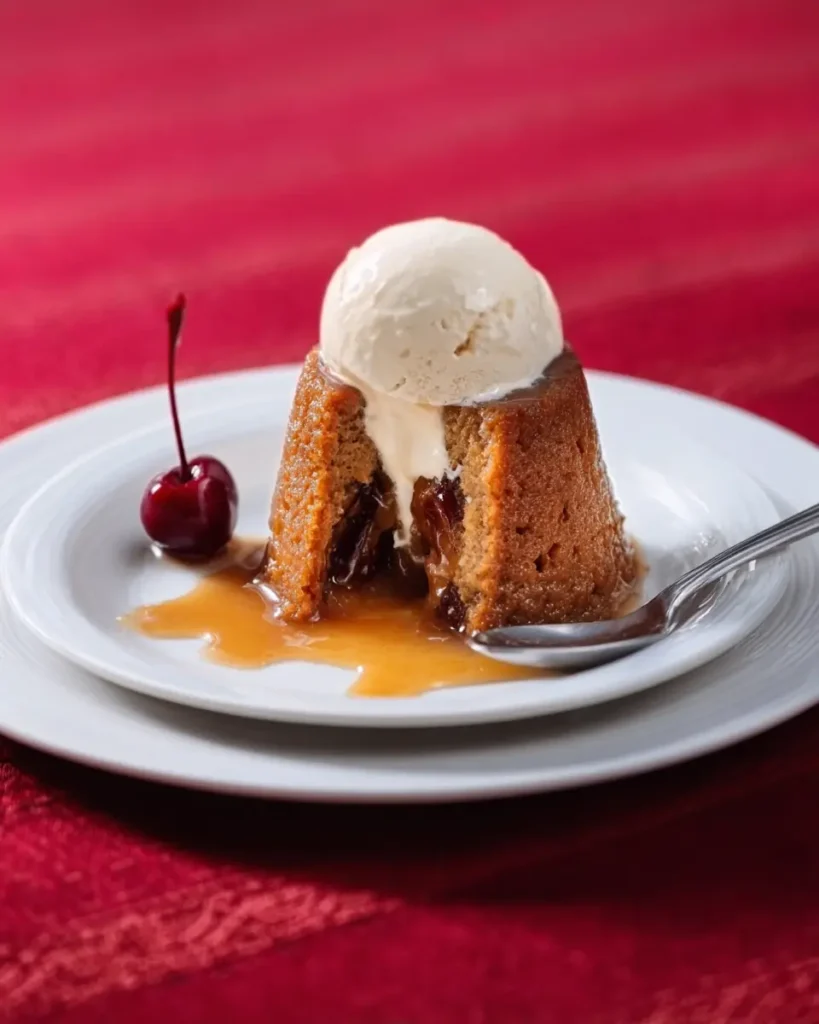
Gingerbread Pudding is a smooth, custard-style dessert infused with warm holiday spices and rich caramel notes from brown sugar. Gentle stovetop cooking and egg tempering create a velvety texture that sets beautifully when chilled. The result is a comforting, festive treat that captures classic gingerbread flavor in a creamy spoonable form.
Why You’ll Love This Recipe
- Warm holiday spice profile – Ginger, cinnamon, and nutmeg create nostalgic seasonal flavor.
- Silky custard texture – Careful thickening and egg enrichment produce a smooth, creamy consistency.
- Simple stovetop preparation – No baking required, making it convenient and approachable.
- Make-ahead friendly dessert – Chilling time allows easy preparation before gatherings.
- Elegant yet comforting – Suitable for both casual family meals and festive celebrations.
- Customizable toppings – Whipped cream, cookies, or spice dusting enhance presentation and flavor.
Ingredients You’ll Need
For the Pudding
- 2 cups milk (whole or 2%) – Forms the creamy base and provides body.
- 1/2 cup heavy cream – Adds richness and smooth mouthfeel.
- 1/2 cup packed brown sugar – Contributes caramel depth and moisture.
- 1/4 cup granulated sugar – Balances sweetness and structure.
- 1/4 cup cornstarch – Thickens the pudding to a custard-like consistency.
- 1 teaspoon ground ginger – Provides signature gingerbread warmth.
- 1 teaspoon ground cinnamon – Adds sweet spice complexity.
- 1/2 teaspoon ground nutmeg – Enhances aromatic depth.
- 1/2 teaspoon salt – Sharpens and balances sweetness.
- 1 teaspoon vanilla extract – Rounds out flavor with gentle sweetness.
- 2 large eggs – Enrich and stabilize the custard texture.
Optional Toppings
- Whipped cream – Adds airy lightness and visual contrast.
- Ground cinnamon or nutmeg – Reinforces spice aroma.
- Gingerbread cookies – Provide crunch and decorative finish.
Step-by-Step Instructions
Whisk the pudding base – Combine milk, cream, both sugars, cornstarch, spices, and salt in a saucepan until fully smooth.
Cook until thickened – Heat over medium while stirring constantly for 10–15 minutes, just until bubbling and visibly thick.
Temper the eggs – Slowly whisk a small amount of hot pudding into beaten eggs to gently raise their temperature without scrambling.
Return and finish cooking – Pour tempered eggs back into the saucepan and cook 2–3 minutes more until thick, glossy, and creamy.
Stir in vanilla – Remove from heat and mix in vanilla extract for final flavor balance.
Chill until set – Transfer to serving dishes, press plastic wrap onto the surface, and refrigerate at least 2 hours.
Serve with toppings – Finish with whipped cream, spice dusting, or gingerbread cookie garnish before presenting.
Recipe Notes & Tips
- Stir constantly while heating – Prevents scorching and ensures smooth thickening.
- Avoid rapid boiling – High heat can cause curdling or grainy texture.
- Temper eggs slowly – Essential for maintaining custard smoothness.
- Cover surface directly – Stops a skin from forming during chilling.
- Adjust spice levels – Increase ginger or cinnamon for stronger flavor.
- Use whole milk for richness – Lower-fat milk yields lighter texture.
Nutritional Information
- Prep Time: 10 minutes
- Cook Time: 20 minutes
- Total Time: 30 minutes (plus chilling time)
- Servings: About 4–6 portions
- Calories: Approximately 220–300 per serving, depending on toppings
Perfect Pairings
- Hot coffee or espresso – Balances sweetness with bitterness.
- Spiced chai or black tea – Echoes warm spice flavors.
- Fresh pear or apple slices – Adds natural brightness.
- Vanilla shortbread cookies – Complements creamy texture.
Ideal Occasions
- Holiday dessert tables – Festive spices suit winter celebrations.
- Cozy evening treats – Comforting and gently sweet.
- Make-ahead dinner parties – Convenient chilled dessert option.
- Family gatherings – Familiar flavors appeal to all ages.
Storage & Serving Tips
- Refrigerate covered up to 3 days – Maintains freshness and texture.
- Do not freeze – Custard texture may separate when thawed.
- Stir gently before serving – Restores creaminess if slightly firm.
- Add toppings just before serving – Keeps textures fresh.
Creative Variations to Try
- Molasses-enhanced pudding – Replace part of brown sugar with molasses for deeper gingerbread flavor.
- Dairy-free version – Use coconut milk and plant-based cream alternatives.
- Chocolate gingerbread twist – Add cocoa powder for rich contrast.
- Layered parfait style – Alternate pudding with crushed cookies and whipped cream.
Troubleshooting Common Issues
- Lumpy texture – Whisk vigorously or strain while warm for smoothness.
- Too thin after chilling – Cook slightly longer next time to activate cornstarch fully.
- Eggs scrambling – Temper more slowly and reduce heat.
- Skin forming on top – Ensure plastic wrap touches the pudding surface.
Why This Recipe Works
This pudding relies on dual thickening from cornstarch gelatinization and gentle egg coagulation, producing a stable yet silky custard. Balanced sugars provide sweetness and moisture while spices deliver layered aromatic warmth typical of gingerbread. Controlled stovetop heat prevents curdling, and chilling allows starches and proteins to fully set for ideal spoonable texture. With moderate calories compared to baked holiday desserts, it offers indulgence in a lighter, portion-friendly format.
Final Thoughts
Gingerbread Pudding captures the comforting essence of holiday baking in a smooth, elegant dessert that’s simple to prepare ahead of time. Its creamy texture, warming spices, and adaptable toppings make it suitable for both festive celebrations and quiet seasonal evenings. Small adjustments—such as lighter dairy or reduced sugar—can further refine the nutritional profile while preserving the dessert’s cozy charm.