Follow Me On Social Media!
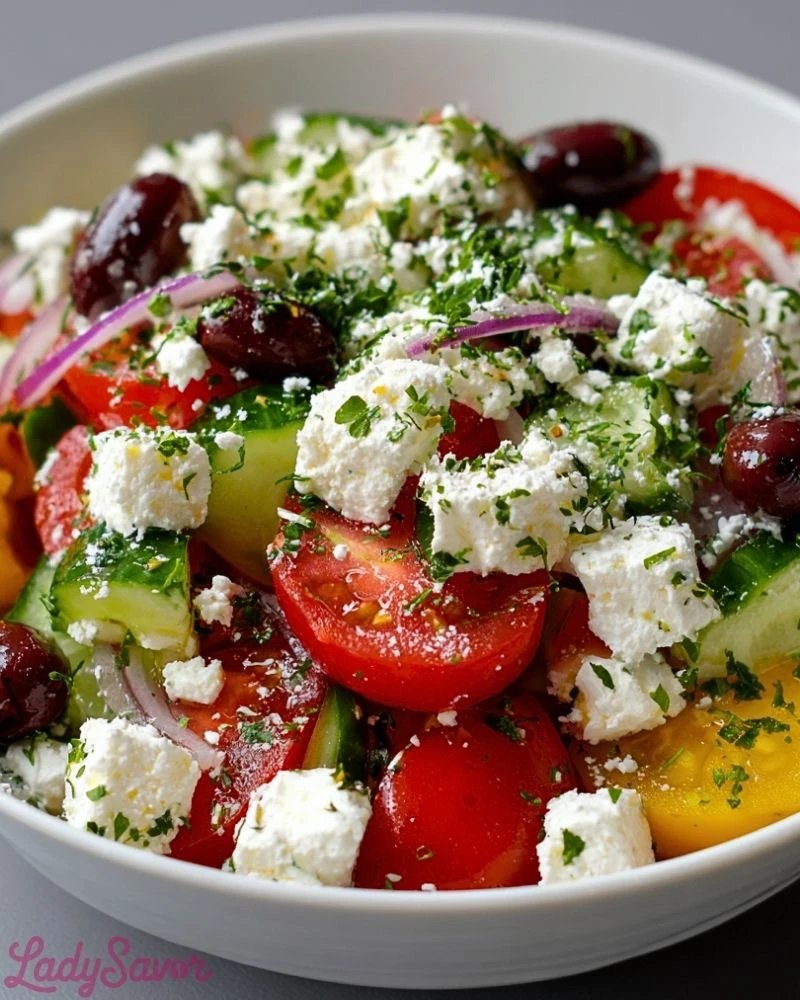
Easy Mediterranean Greek Cottage Cheese Salad.

High-protein meals often feel like a choice between a heavy piece of grilled chicken or a chalky protein shake. For a long time, cottage cheese fell into a similar category—viewed mostly as a bland diet food from a bygone era. However, this humble dairy staple has seen a massive resurgence for a good reason: it is incredibly versatile, packed with protein, and has a unique ability to carry bold flavors.
This Greek Cottage Cheese Salad is a departure from the typical leafy green bowl. Instead of using lettuce as a base, we lean into the creamy, salty, and acidic profiles found in Mediterranean cuisine. By combining the curds of cottage cheese with the snap of Persian cucumbers, the punch of Kalamata olives, and a hint of sweetness from fresh fruit, you create a lunch that actually keeps you full until dinner. It’s a refreshing, no-cook meal that takes less than ten minutes to pull together, making it a reliable staple for busy weekdays or a light weekend brunch.
Ingredients
To get the best results, focus on the quality of the produce. Since there is no cooking involved, the flavor of the raw ingredients has nowhere to hide.
- Cottage Cheese: 2 cups. Use small curd, full-fat (4%) for the best texture and richness.
- Persian Cucumbers: 2 medium, diced. These are preferred over English cucumbers because they have thinner skins and fewer seeds, providing a better crunch.
- Cherry Tomatoes: 1 cup, halved. Look for various colors like yellow or orange to add visual appeal.
- Kalamata Olives: 1/4 cup, pitted and sliced. These provide the essential briny depth.
- Red Onion: 2 tablespoons, very finely minced. Soaking them in cold water for five minutes beforehand can take the “bite” off if you prefer a milder flavor.
- Fresh Peach or Apricot: 1 fruit, diced. This might seem unusual, but the sweetness balances the saltiness of the olives and cheese beautifully.
- Fresh Parsley: 2 tablespoons, chopped.
- Fresh Mint: 1 tablespoon, torn or chiffonaded.
- Dried Oregano: 1/2 teaspoon.
- Extra Virgin Olive Oil: 1 tablespoon. Choose a robust, peppery oil.
- Lemon Juice: 1 tablespoon, freshly squeezed.
- Black Pepper: To taste. (You likely won’t need extra salt due to the cottage cheese and olives).
- Roasted Pistachios: 1 tablespoon, crushed (optional, for garnish and crunch).
Instructions
Prepare the Base
Start by placing your cottage cheese into a wide, shallow bowl rather than a deep one. This allows you to spread the toppings out, ensuring you get a bit of everything in every spoonful. If your cottage cheese seems particularly watery, you can strain it through a fine-mesh sieve for 5 minutes, but generally, the moisture helps create a natural dressing when mixed with the lemon and oil.
Chop the Vegetables and Fruit
Consistency in size is key for a good chopped salad. Aim for a uniform dice—roughly 1/4 inch—for the cucumbers, tomatoes, and peaches. This ensures that no single ingredient overwhelms the palate. When prep is finished, scatter the cucumbers, tomatoes, and red onion over the top of the cheese.
Add the Mediterranean Elements
Incorporate the sliced Kalamata olives. If you find whole olives too intense, chopping them smaller helps distribute that salty flavor more evenly. Follow this with your diced peach or apricot. The fruit should be ripe but still firm; if it’s too mushy, it will dissolve into the cheese rather than providing a distinct textural contrast.
Season and Dress
Drizzle the extra virgin olive oil and the fresh lemon juice directly over the vegetables. Sprinkle the dried oregano, fresh parsley, and mint over the top. The dried oregano provides an earthy backbone, while the fresh mint adds a surprising coolness that cuts through the creaminess of the dairy.
The Final Toss
You have two choices here: you can serve it as a “deconstructed” bowl where the toppings sit beautifully on the cheese, or you can give it a gentle fold. Folding it lightly allows the lemon juice and olive oil to mingle with the cottage cheese whey, creating a light, zesty sauce. Finish with a generous crack of black pepper and a sprinkle of crushed pistachios for a final layer of texture.
Flavor and Texture Notes
This salad is a study in contrasts. The first thing you’ll notice is the temperature; when served chilled, it is incredibly cooling. The cottage cheese provides a soft, pillowy foundation that is interrupted by the sharp, watery snap of the cucumbers.
Taste-wise, it hits several notes at once. You get the lactic tang from the cheese, the bright acidity of the lemon, and the deep, fermented saltiness of the olives. The addition of fruit is the “secret” element—it doesn’t make the dish taste like a fruit salad, but rather acts like a balsamic glaze would, highlighting the savory notes of the vegetables. The herbs bring an aromatic finish that lingers, making the meal feel much more sophisticated than a standard bowl of curds.
Tips and Variations
While the recipe above is a classic Mediterranean take, cottage cheese is a blank canvas. Here are a few ways to pivot the dish based on what you have in your pantry:
- The Protein Boost: If you want to turn this into a post-workout powerhouse, add a tin of high-quality sardines or some flaked canned tuna. The oil from the fish pairs perfectly with the lemon and oregano.
- The Vegetable Swap: If cucumbers aren’t in season, try finely shaved fennel or diced bell peppers. Both offer a similar crunch with a different flavor profile.
- A Spicy Kick: Add a pinch of red chili flakes or a spoonful of Calabrian chili paste. The heat works wonders against the cold, creamy cheese.
- Grain Integration: To make this even heartier, stir in half a cup of cooked, cooled farro or quinoa. This gives the salad a chewy texture and adds fiber.
- Vegan Option: While this recipe centers on dairy, you can replicate the experience using a firm silken tofu crumbled into pieces and tossed with a little extra salt and nutritional yeast.
Storage and Make-Ahead
This salad is best enjoyed within an hour of assembly. Because cottage cheese has a high moisture content, the vegetables—specifically the tomatoes and cucumbers—will begin to release their juices once they come into contact with the salt and acid.
If you need to prep this for a work lunch:
- Container Strategy: Place the cottage cheese in the bottom of a container.
- Layering: Add the cucumbers and olives on top of the cheese.
- Keep it Separate: Keep the tomatoes, fruit, and dressing (oil/lemon) in a separate small jar.
- Combine: Mix everything together right before you are ready to eat.
Avoid freezing this dish, as the texture of both the dairy and the fresh vegetables will break down significantly upon thawing.
Serving Suggestions
This salad is substantial enough to stand alone as a lunch, but it also works well as part of a larger spread.
- With Warm Pita: Toast a piece of whole-wheat pita or flatbread. Use the bread to scoop up the salad like a dip.
- As a Side: Serve this alongside grilled lamb skewers or lemon-herb chicken. The creaminess of the salad acts as a refreshing counterpoint to charred, smoky meats.
- Breakfast Style: Many people enjoy savory breakfasts. Serving this with a soft-boiled egg on top adds another layer of richness and makes for a very sustaining start to the day.
FAQ
Can I use fat-free cottage cheese?
You can, but the texture will be significantly different. Fat-free versions tend to be “chalkier” and release more liquid. A 2% or 4% cottage cheese provides a much more satisfying mouthfeel and balances the acidity of the lemon better.
What if I don’t like olives?
If the brine of olives isn’t for you, substitute them with capers for a similar saltiness, or simply use a bit of crumbled feta cheese. The feta will add that salty “Greek” punch without the fermented olive flavor.
Can I use bottled lemon juice?
In a pinch, yes, but fresh lemon juice is highly recommended. Bottled juice often has a cooked or preserved taste that can overshadow the delicate flavor of the fresh herbs and fruit.
Is this salad keto-friendly?
Yes, cottage cheese is relatively low in carbohydrates and high in protein. If you are strictly monitoring carbs, you may want to omit the peach or apricot and stick to the vegetables.
Conclusion
Revisiting cottage cheese through a savory lens is a game-changer for anyone tired of the same old salad routines. This Greek-inspired bowl proves that healthy eating doesn’t have to be complicated or boring. It’s a fast, vibrant, and deeply satisfying meal that relies on fresh textures and bright flavors rather than heavy dressings.
Whether you’re looking for a quick lunch to power through your afternoon or a light dinner after a long day, this recipe is a reliable win. Give it a try, and you might find yourself keeping a tub of cottage cheese in the fridge as a permanent staple.