Follow Me On Social Media!
Dubai-Style Chocolate: The Viral Sensation of Luxurious Textures.

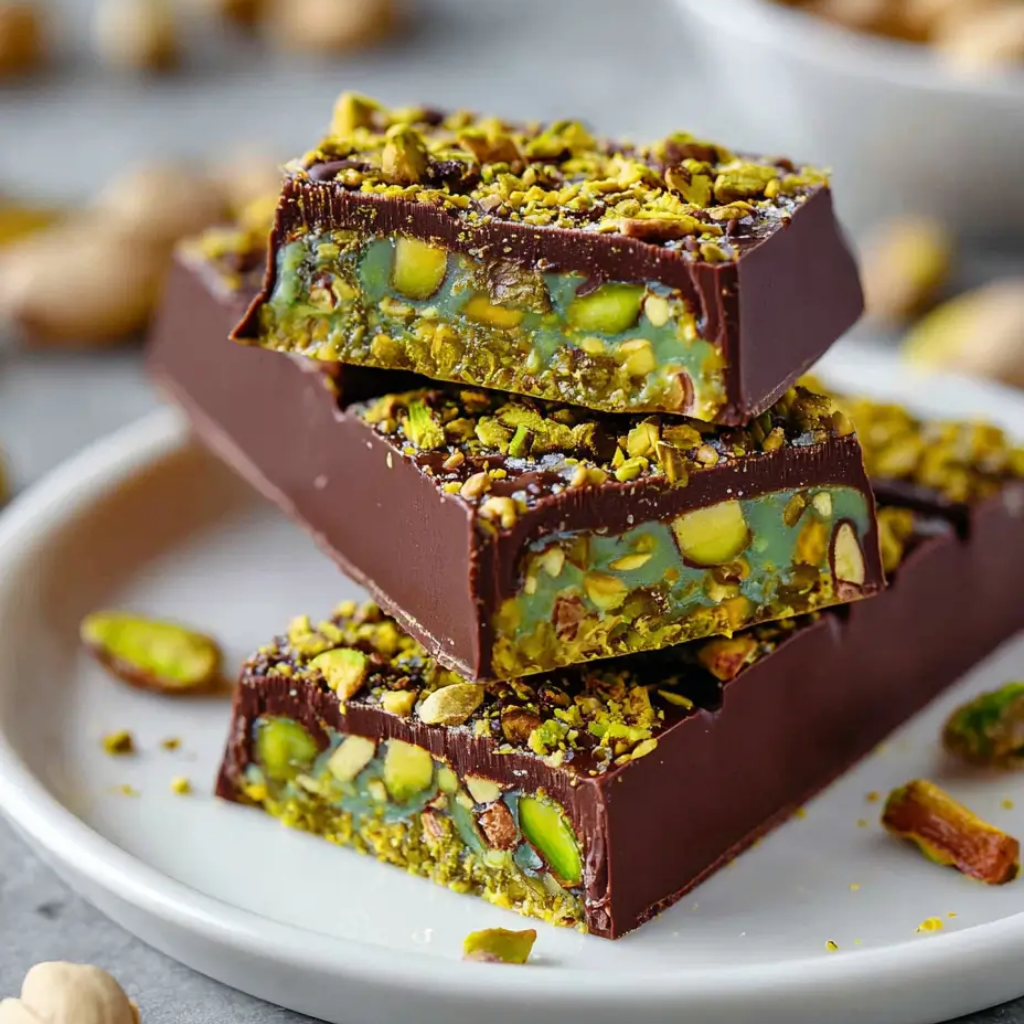
In the world of high-end confectionery, few treats have captured the global imagination quite like Dubai-style chocolate. Known for its massive, thick bars and an almost hypnotic interior, this dessert has moved far beyond a simple social media trend. It represents a specific style of Middle Eastern “maximalist” baking—where traditional ingredients like toasted pistachios and crunchy knafeh meet the smooth, refined finish of premium tempered chocolate.
The appeal lies in the specific “crunch” factor. Unlike a standard filled chocolate, a Dubai-style bar is packed with a dense, textured filling that offers a sensory experience unlike anything else. It is a bold, heavy, and unashamedly rich treat that celebrates the intersection of heritage flavors and modern luxury.
Ingredients
To achieve the authentic texture that has made this chocolate famous, you need specific ingredients that provide both creaminess and a distinct, shatter-like crunch.
The Shell
- Milk Chocolate: 400g. Use a high-quality couverture chocolate with at least 33% cocoa butter for a professional snap.
- Dark Chocolate: 50g (optional, for decorative drizzling).
The Signature Filling
- Knafeh Pastry (Kataifi): 150g. These are very fine, vermicelli-like shreds of phyllo dough.
- Unsalted Butter: 40g. Used to toast the pastry to a golden brown.
- Pistachio Cream (Pistachio Butter): 200g. Look for a smooth, high-quality spread that is 100% pistachio or lightly sweetened.
- Tahini: 1 tablespoon. This adds a subtle earthy depth that balances the sweetness.
- Fine Sea Salt: A pinch to enhance the nuttiness.
Instructions
Creating this bar requires a bit of patience, particularly when it comes to the cooling stages. The goal is a thin, crisp chocolate shell that yields to a heavy, crunchy center.
Step 1: Prepare the Knafeh Crunch
Start by finely chopping the raw kataifi pastry into small pieces, roughly 1cm in length. Melt the butter in a large skillet over medium heat. Add the chopped pastry and toast it, stirring constantly, until it turns a deep, golden brown. This should take about 5–7 minutes. It must be completely crisp. Remove from heat and let it cool entirely in a separate bowl.
Step 2: Mix the Filling
Once the toasted pastry is cool, add the pistachio cream, tahini, and a pinch of salt. Fold the ingredients together until the pastry is completely coated. The mixture should be thick, clumpy, and hold its shape. If it feels too liquid, add a bit more toasted pastry; if it’s too dry, a touch more pistachio cream.
Step 3: Decorate the Mold
If you want that signature look, melt a small amount of dark or white chocolate and drizzle random streaks across the bottom of your silicone chocolate bar molds. Let this set in the fridge for 5 minutes.
Step 4: Create the Chocolate Shell
Melt your milk chocolate using a double boiler or in short bursts in the microwave. Pour enough chocolate into the mold to cover the bottom and sides. Tilt the mold to ensure the edges are coated, then pour any excess chocolate back into the bowl. Place the mold in the fridge for 10 minutes to set.
Step 5: Fill the Bars
Spoon the pistachio-knafeh mixture into the chocolate-lined molds. Press it down gently to remove air pockets, but leave about 2mm of space at the top for the final chocolate layer.
Step 6: Seal and Set
Pour the remaining melted chocolate over the filling, smoothing it with an offset spatula to create a flat, even base. Tap the mold gently on the counter to release any bubbles. Refrigerate for at least 1–2 hours until the bars are completely solid and can be easily popped out of the silicone mold.
Flavor and Texture Notes
This chocolate is a masterclass in textural layering. The initial experience is the silky, cool melt of the milk chocolate shell. This is immediately followed by the aggressive, satisfying crunch of the butter-toasted kataifi.
The flavor profile is dominated by the roasted, floral notes of the pistachio, which is grounded by the savory undertoneof the tahini. It isn’t just sweet; it is deeply nutty and buttery, with the sea salt acting as a conductor to amplify the cocoa and pistachio flavors.
Tips and Variations
While the pistachio version is the gold standard, you can adapt this technique to suit other flavor profiles:
- The Lotus Biscoff Twist: Replace the pistachio cream with melted Biscoff spread and add crushed Biscoff cookies to the toasted kataifi for a caramelized, spiced version.
- The Dark Decadence: Use 70% dark chocolate for the shell and replace the pistachio cream with roasted hazelnut butter (Gianduja style).
- Achieving the Snap: If you are familiar with chocolate tempering, tempering your chocolate will give you a bar that stays shiny at room temperature and has a much louder “snap” when broken.
- Pastry Prep: Ensure the kataifi is toasted until it is truly golden. If it is under-toasted, the moisture from the pistachio cream will make it soggy rather than crunchy.
Storage and Make-Ahead
Because of the fresh butter in the pastry and the oils in the nut butter, these bars are best kept in the refrigerator, especially in warmer climates. They will stay fresh for up to 2 weeks in an airtight container.
For the best eating experience, take the bar out of the fridge about 10 minutes before serving. This allows the chocolate to soften just enough to bloom in flavor, while the knafeh center remains perfectly crisp.
Serving Suggestions
Dubai-style chocolate is incredibly rich, so it is best served in small, thick shards. It pairs beautifully with a cup of strong, unsweetened Arabic coffee (Gahwa) or a dark espresso, as the bitterness of the coffee cuts through the dense nut butter and chocolate.
If you are giving these as a gift, wrap them in gold foil or clear cellophane to show off the decorative chocolate drizzles on the surface.
FAQ
Where do I find Kataifi/Knafeh pastry?
You can usually find it in the freezer section of Middle Eastern or Mediterranean grocery stores. It is often sold in large bundles.
Can I use a different nut butter?
Absolutely. Almond butter or cashew butter work well, though they lack the vibrant green color and specific floral profile of pistachio.
Why is my chocolate shell soft?
If you didn’t temper the chocolate, it will soften quickly at room temperature. Keeping the bars chilled until right before serving solves this.
Can I make this into bites instead of bars?
Yes, you can use a silicone ice cube tray or mini-muffin mold to create “Dubai Chocolate Bites” for easier portion control.
Conclusion
The Dubai-style chocolate bar is a celebration of texture and premium ingredients. It takes the familiar comfort of a chocolate bar and elevates it into something architectural and exotic. While it requires a few specialty ingredients, the process of assembly is straightforward, and the result is a dessert that feels truly special. Once you hear that first “crunch” of the toasted knafeh, you’ll understand exactly why this treat took over the world.