Follow Me On Social Media!
Chocolate Mirror Glaze Cake: A Stunning Dessert.

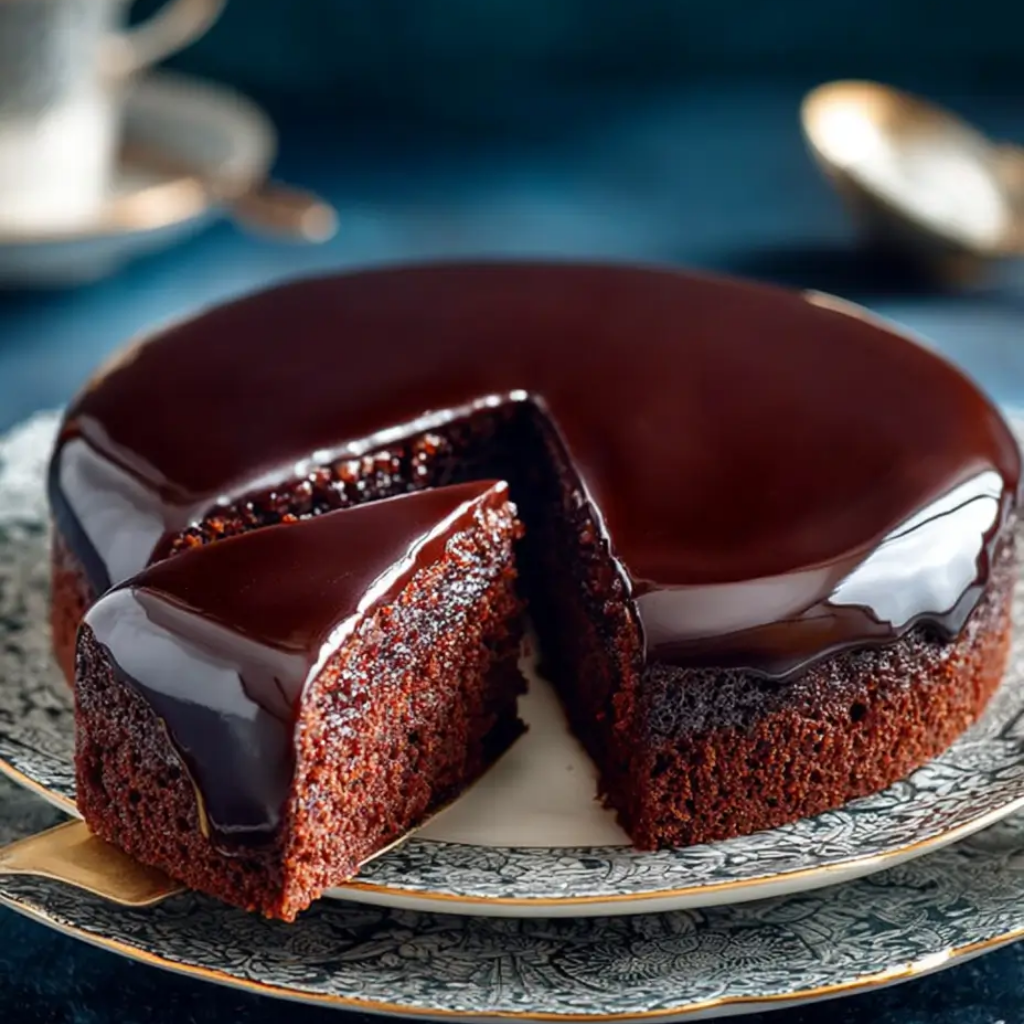
The chocolate mirror glaze cake (Glaçage Miroir) is the ultimate showstopper in modern patisserie. The finish is so smooth and reflective that you can literally see your reflection in the surface. This technique is typically used to coat entremets—layered mousse cakes that have been frozen solid to provide a perfectly smooth, cold surface for the glaze to grip.1
The secret to a flawless mirror glaze is precise temperature control and the total removal of air bubbles. When the glaze hits the frozen cake, it sets almost instantly, creating a glass-like shell that transforms a simple cake into a professional-tier centerpiece.
Ingredients
To achieve the best shine, use high-quality gelatin and a chocolate with a high cocoa butter content.
The Mirror Glaze
- Gelatin Sheets: 10g (or 10g powdered gelatin bloomed in 60ml water).
- Granulated Sugar: 150g.
- Glucose Syrup (or Light Corn Syrup): 150g.2
- Water: 75ml.
- Sweetened Condensed Milk: 100g.
- Dark Chocolate (60-70%): 150g, finely chopped.
The Foundation
- Frozen Mousse Cake: One 8-inch cake. (The cake must be frozen rock-solid for at least 12 hours before glazing).
Instructions
Step 1: Bloom the Gelatin
If using sheets, soak them in cold water for 5–10 minutes until soft. If using powder, stir it into 60ml of cold water and let it sit until it forms a thick gel.
Step 2: The Sugar Base
In a saucepan, combine the sugar, water, and glucose syrup. Bring the mixture to a boil over medium heat, stirring occasionally until the sugar is fully dissolved. Once it reaches a rolling boil, remove it from the heat immediately.
Step 3: Combine with Chocolate
Stir the bloomed gelatin and the condensed milk into the hot sugar syrup until fully incorporated. Place your chopped chocolate in a tall, narrow jug. Pour the hot liquid over the chocolate and let it sit for 2 minutes to melt.
Step 4: The Emulsion (Crucial Step)
Use an immersion blender to blend the mixture until perfectly smooth. Keep the blender submerged at all times to avoid introducing air bubbles. If you see bubbles, tap the jug on the counter or pass the glaze through a fine-mesh sieve twice.
Step 5: Temperature Control
Let the glaze cool until it reaches 32°C–35°C. If the glaze is too hot, it will melt the mousse; if it is too cold, it will be too thick to pour smoothly.
Step 6: The Pour
Remove your cake from the freezer and place it on a pedestal (like a jar or a smaller cake tin) over a tray to catch the drips. Pour the glaze quickly and confidently over the center of the cake, moving in a spiral toward the edges. Let the excess drip off for 5–10 minutes.
Flavor and Texture Notes
The mirror glaze itself is thin, sweet, and slightly tacky. It is not meant to be a heavy frosting; rather, it acts as a decorative skin that protects the delicate mousse underneath. When eaten, it melts effortlessly, providing a glossy chocolate richness that complements the light, airy interior of the cake.
Tips for Success
- The Blender Angle: When using the immersion blender, tilt it at an angle as you insert it to let air escape before you turn it on.
- Surface Preparation: Ensure the mousse on your frozen cake is as smooth as possible. Any bumps or dips in the frozen cake will be magnified by the reflective glaze.
- Removing Drips: Once the glaze has stopped dripping, use a palette knife to gently tuck the “hanging” drips under the bottom edge of the cake for a clean finish.
FAQ
| Question | Answer |
| Can I make the glaze in advance? | Yes. Store it in the fridge for up to 5 days. Reheat gently in a microwave or double boiler until it reaches the working temperature again. |
| Why is my glaze dull? | This is usually due to the temperature being too high when poured, or using a chocolate with low cocoa butter content. |
| How do I move the cake? | Use two large spatulas to lift the cake from its pedestal and transfer it to a serving plate or cake board. |
Conclusion
Mastering the chocolate mirror glaze is a milestone for any home baker. It requires patience and a bit of scientific precision, but the result is a dessert of unparalleled elegance. Whether for a birthday or a formal dinner, the reflective brilliance of this cake is guaranteed to be the center of attention.