
Follow Me On Social Media!
Canned Green Beans Recipe: Quick and Flavorful Side Dish

This simple skillet method transforms pantry-staple canned green beans into a vibrant, well-seasoned side dish in just minutes. By layering aromatics, gentle heat, and a touch of acidity, the beans develop deeper flavor and a fresher finish. The result is a quick, balanced vegetable dish perfect for everyday meals.
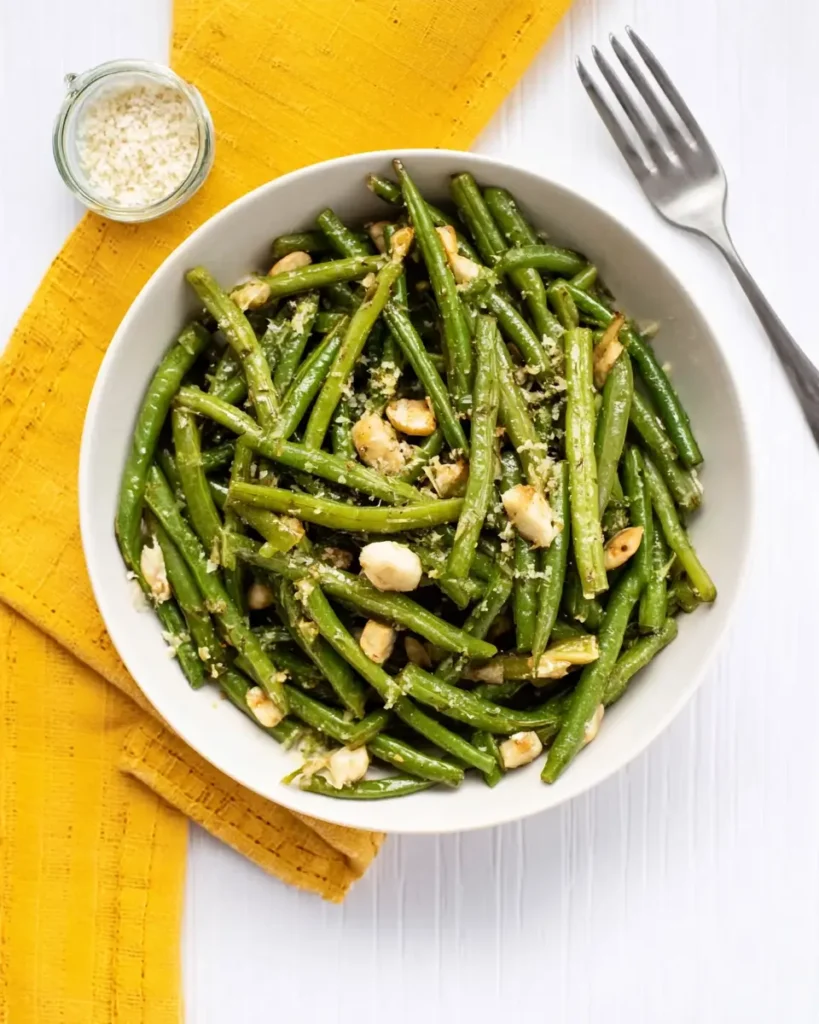
Why You’ll Love This Recipe
- Fast and convenient – Uses canned green beans and minimal prep to create a ready-to-serve side in about 15 minutes.
- Flavor-packed upgrade – Garlic, seasoning, and acidity elevate basic canned vegetables into a savory, restaurant-style dish.
- Flexible ingredients – Works with olive oil or butter and optional heat or tang depending on preference.
- Beginner-friendly technique – Simple sautéing and seasoning steps require no advanced cooking skills.
- Budget-conscious – Relies on affordable pantry staples while still delivering strong flavor.
- Pairs with many meals – Complements proteins, grains, and comfort dishes across cuisines.
Ingredients You’ll Need
- 2 cans (14.5 ounces each) green beans, drained and rinsed – Provides the vegetable base while rinsing removes excess sodium and improves flavor.
- 2 tablespoons olive oil or butter – Adds richness and helps carry the garlic and seasoning throughout the dish.
- 3 cloves garlic, minced – Brings aromatic depth and savory warmth.
- 1/2 teaspoon onion powder – Contributes subtle sweetness and background flavor.
- 1/2 teaspoon salt (adjust to taste) – Enhances overall flavor balance.
- 1/4 teaspoon black pepper – Adds gentle heat and complexity.
- 1/4 teaspoon red pepper flakes (optional) – Provides a light spicy kick.
- 1 tablespoon balsamic vinegar (optional) – Adds sweetness and acidity for depth.
- 1 tablespoon fresh lemon juice – Brightens the finished dish and balances richness.
- Chopped fresh parsley (optional garnish) – Adds color and a fresh herbal finish.
Step-by-Step Instructions
Heat the oil – Warm the olive oil or butter in a large skillet over medium heat until shimmering but not smoking.
Sauté the garlic – Add minced garlic and cook for about 1 minute, stirring constantly until fragrant to avoid bitterness from burning.
Add the green beans – Stir in the drained and rinsed beans, coating them evenly with the aromatic oil.
Season the beans – Sprinkle onion powder, salt, black pepper, and optional red pepper flakes over the beans, mixing thoroughly for even distribution.
Cook until heated through – Sauté for 5–7 minutes, stirring occasionally, until hot and slightly tender; extend cooking by 2–3 minutes for softer texture.
Finish with acidity – Drizzle balsamic vinegar and lemon juice over the beans, stirring for about 1 minute to meld flavors.
Serve immediately – Transfer to a serving dish, garnish with parsley if desired, and serve hot.
Recipe Notes & Tips
- Rinse canned beans well – Removes metallic taste and excess sodium for cleaner flavor.
- Control garlic heat – Keep temperature moderate to prevent burning, which causes bitterness.
- Adjust acidity balance – Use either balsamic or lemon more heavily depending on desired sweetness or brightness.
- Texture preference matters – Shorter cooking keeps beans firmer; longer cooking softens them.
- Season gradually – Taste before adding extra salt, especially with canned products.
- Finish just before serving – Fresh acidity and herbs are most vibrant when added at the end.
Nutritional Information
- Prep Time: 5 minutes
- Cooking Time: 10 minutes
- Total Time: 15 minutes
- Servings: About 4 side-dish portions
- Calories: Approximately 90–120 calories per serving, depending on fat choice and optional ingredients
Perfect Pairings
- Roasted or grilled chicken – Mild protein allows the garlic and acidity to shine.
- Seared steak or pork chops – Bright beans cut through richer meats.
- Simple rice or quinoa – Absorbs the flavorful juices from the skillet.
- Holiday comfort dishes – A lighter alternative to heavy casseroles.
Ideal Occasions
- Quick weeknight dinners – Ready in minutes with pantry ingredients.
- Last-minute side dish needs – Reliable when fresh vegetables aren’t available.
- Meal prep planning – Easy to batch and reheat.
- Holiday tables needing balance – Adds freshness among richer foods.
Storage & Serving Tips
- Refrigerate leftovers promptly – Store in an airtight container for up to 3 days.
- Reheat gently – Warm in a skillet over medium-low heat to preserve texture.
- Refresh with lemon – Add a splash of fresh juice before serving leftovers.
- Avoid overcooking when reheating – Prevents mushy texture.
Creative Variations to Try
- Garlic butter almonds – Add toasted sliced almonds for crunch and nuttiness.
- Mediterranean style – Include cherry tomatoes and feta cheese.
- Smoky flavor twist – Stir in smoked paprika or crisp bacon bits.
- Herb-forward version – Use dill, thyme, or basil instead of parsley.
Troubleshooting Common Issues
- Beans taste bland – Increase salt slightly and add extra lemon juice for brightness.
- Garlic burned – Lower heat and start again to avoid bitterness.
- Too much acidity – Balance with a small pat of butter or pinch of sugar.
- Beans too soft – Reduce cooking time and heat only until warmed through.
Why This Recipe Works
Canned green beans are already cooked, so the goal is not further tenderization but flavor enhancement. Gentle sautéing in fat distributes aromatic compounds from garlic and spices evenly across the beans, while controlled heat prevents breakdown of their structure. The final addition of balsamic vinegar and lemon juice introduces acidity that heightens perception of saltiness and freshness, creating a balanced flavor profile despite the short cooking time. With moderate fat and naturally low calories, this dish remains a light vegetable side at roughly 100 calories per serving.
Final Thoughts
This quick canned green beans recipe proves that convenient ingredients can still deliver fresh, vibrant flavor when handled thoughtfully. With minimal time, simple technique, and flexible seasoning, it offers a dependable vegetable side for everyday meals or special gatherings. Naturally low in calories and easy to adapt with lighter fats or extra herbs, it’s a practical, wholesome addition to any table.