Follow Me On Social Media!
Butter-Basted Steak with Thyme: A Luxurious Treat.

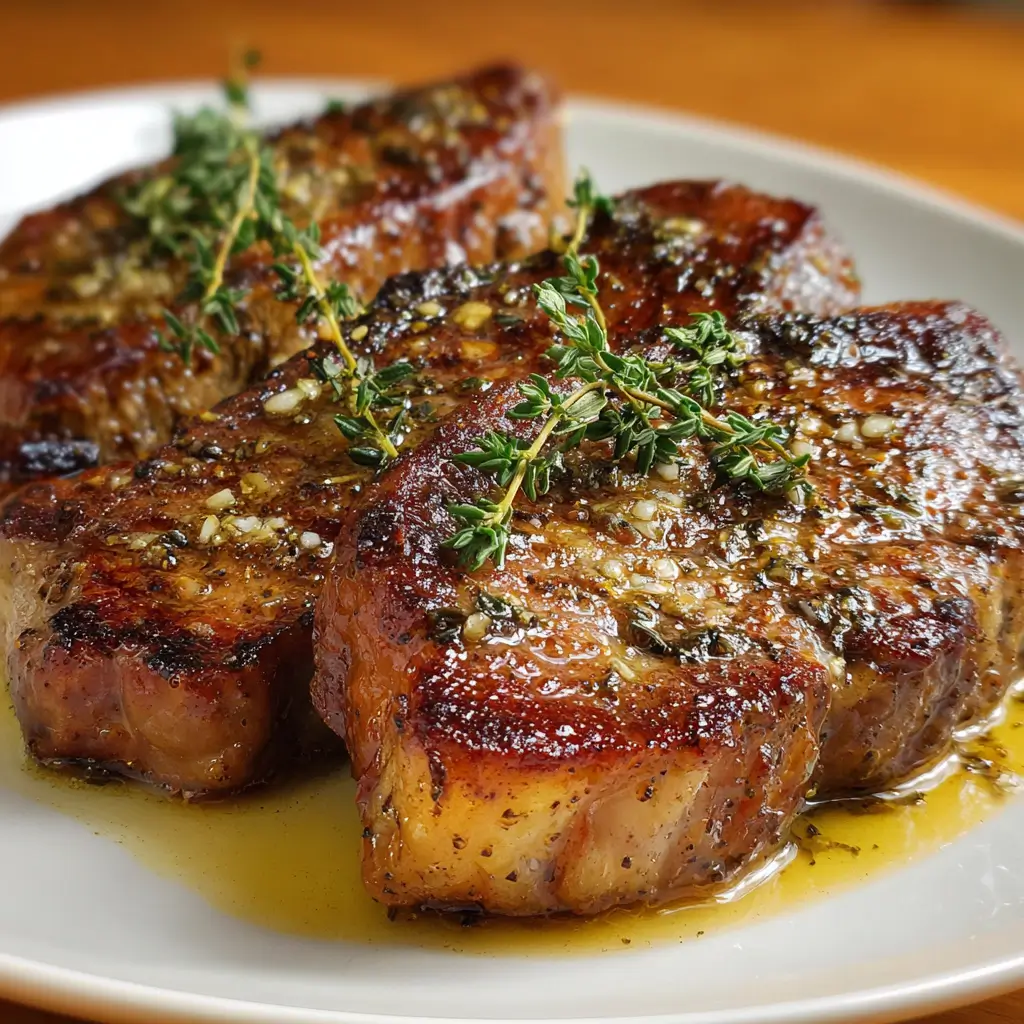
Butter-basting is the professional technique that separates a standard home-cooked steak from a world-class restaurant experience. By spooning hot, infused fat over the meat as it finishes cooking, you create an incredibly deep crust (the Maillard reaction) while simultaneously poaching the interior in aromatics.1
The combination of nutty browned butter, earthy fresh thyme, and pungent garlic creates a savory “pan sauce” that permeates the meat, ensuring every bite is succulent and intensely flavorful.2
Ingredients
For the best results, use a thick-cut steak (at least 1.5 inches thick) to allow enough time for the basting process without overcooking the center.3
- Steak: 1 thick-cut Ribeye, New York Strip, or Filet Mignon.4
- Unsalted Butter: 3–4 tablespoons.
- Garlic: 3 cloves, smashed but left whole.
- Fresh Thyme: 4–5 sprigs.
- High-Smoke Point Oil: 1 tablespoon (Grapeseed, Avocado, or Canola oil).
- Salt and Black Pepper: Coarse Kosher salt and freshly cracked pepper.
Instructions
Step 1: The Temper and Season
Remove the steak from the refrigerator 30–45 minutes before cooking. This allows the internal temperature to rise, ensuring even cooking. Pat the meat extremely dry with paper towels. Season aggressively on all sides (including the edges) with salt and pepper.
Step 2: The Initial Sear
Heat a heavy stainless steel or cast-iron skillet over high heat until it is wispy with smoke. Add the oil. Place the steak in the pan (lay it away from you to avoid splashes). Sear for 2–3 minutes without moving it until a dark, mahogany crust forms. Flip the steak.
Step 3: Add the Aromatics
Lower the heat to medium-high. Move the steak to one side of the pan and add the butter, smashed garlic, and thyme sprigs to the empty space. The butter will foam and then begin to turn brown and smell nutty.5
Step 4: The Basting
Tilt the pan so the melted butter pools at the bottom with the garlic and thyme. Use a large spoon to continuously pour the hot, flavored butter over the steak for the final 2–3 minutes of cooking. This “bathes” the meat in flavor and ensures the edges are perfectly rendered.
Step 5: The Rest (Non-Negotiable)
Remove the steak from the pan and place it on a warm plate or cutting board. Pour the remaining pan butter over it. Let the steak rest for at least 10 minutes. This allows the muscle fibers to relax and reabsorb the juices.
Flavor and Texture Notes
This method yields a perfectly caramelized, salty crust that protects a tender, juicy interior. The thyme provides a floral, woodsy aroma, while the garlic-infused butter adds a velvety richness that lingers on the palate. The resting period ensures the texture is uniform and the meat is exceptionally soft.
Tips for Success
- Dry the Meat: Moisture is the enemy of a good sear.6 If the steak is wet, it will steam rather than crust.
- Don’t Use Extra Virgin Olive Oil: Its smoke point is too low for the initial sear and will turn bitter. Use a neutral oil for the heat and butter for the flavor.
- Aromatics Timing: Don’t add the garlic and thyme at the very beginning; they will burn and become bitter. Add them with the butter during the final minutes.
FAQ
| Question | Answer |
| What is the best internal temperature? | For Medium-Rare, pull the steak at 52°C (125°F); the temperature will rise to 54°C (130°F) while resting. |
| Can I use dried thyme? | It is not recommended for basting. Dried herbs will burn and stick to the meat, whereas fresh sprigs infuse the oil beautifully. |
| What if my butter burns? | If the butter turns black instead of brown, the pan is too hot. Lower the heat immediately or add a small splash of oil to cool it down. |
Conclusion
Butter-basted steak is a culinary essential that transforms a simple piece of protein into a luxury meal. The rhythmic process of basting is as much about the aroma in your kitchen as it is about the flavor on the plate. By mastering the heat and timing of the aromatics, you can achieve a steakhouse-quality result in your own skillet.