Follow Me On Social Media!
Burnt Basque Cheesecake: A Creamy Delight.

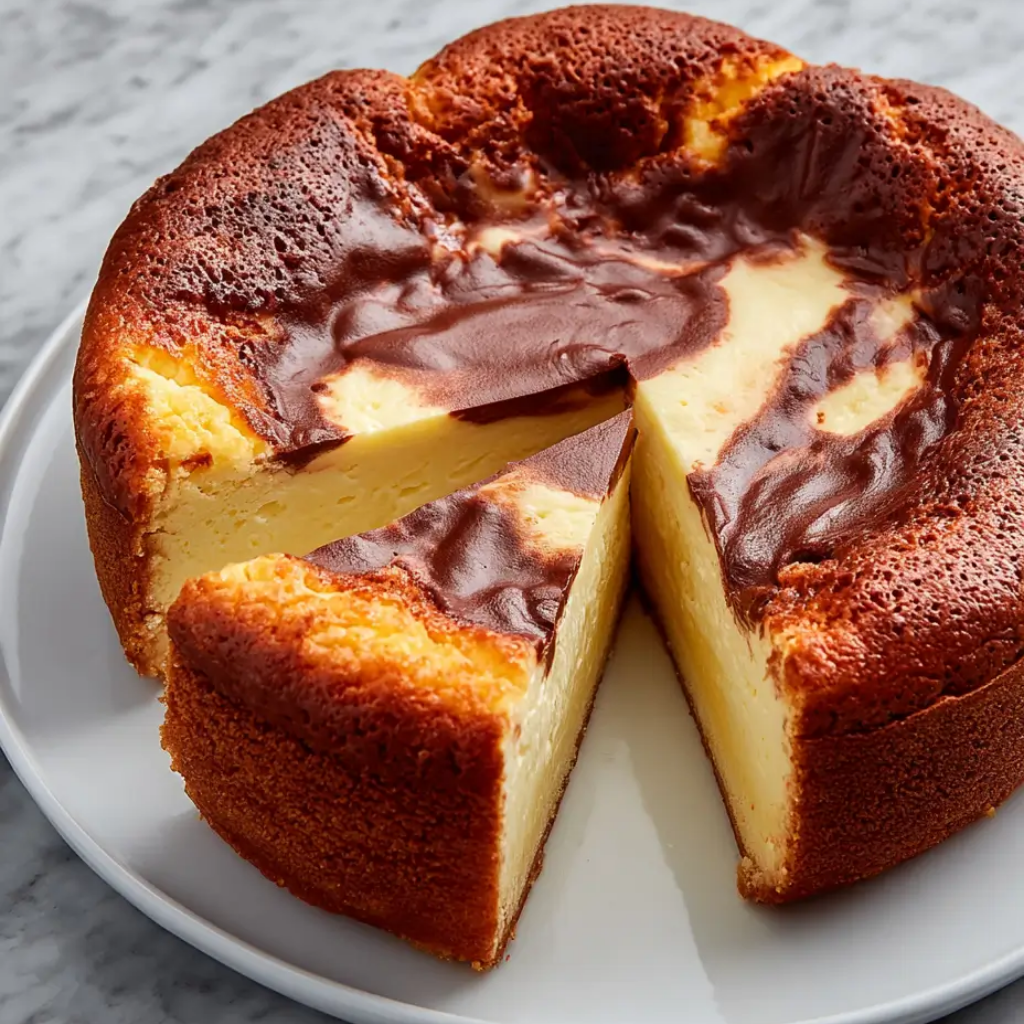
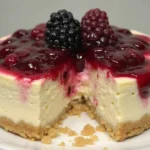
The Burnt Basque Cheesecake is the antithesis of the traditional New York style.1 Born in San Sebastián, Spain, this cheesecake famously defies the rules: it has no crust, it is baked at a high temperature to intentionally scorch the top, and it does not require a water bath.2 The result is a striking contrast between a deeply caramelized, almost bitter exterior and a center that remains incredibly soft, custardy, and light.3+2
This is arguably the most forgiving cheesecake to bake. Cracks are welcomed, a sunken center is expected, and the “burnt” top is the goal.4 It is a sophisticated, rustic dessert that relies on high-quality dairy to shine.5+1
Ingredients
To achieve the signature creamy texture, ensure all ingredients are at room temperature before mixing.
- Cream Cheese: 900g, full-fat and softened.
- Granulated Sugar: 300g.
- Large Eggs: 6.
- Heavy Cream: 480ml.
- All-Purpose Flour: 30g, sifted.
- Vanilla Extract: 1 tablespoon.
- Salt: 1/2 teaspoon.
Instructions
Step 1: Prepare the Pan
Preheat your oven to 200°C.6 Grease a 9-inch (23cm) springform pan. Line it with two large overlapping sheets of parchment paper, ensuring the paper extends at least 2 inches above the rim of the pan.7 The wrinkled edges give the cheesecake its iconic rustic look.+1
Step 2: Cream the Cheese and Sugar
In a large bowl, beat the softened cream cheese and sugar on medium speed until the mixture is completely smooth and the sugar has dissolved. Scrape down the sides of the bowl frequently to ensure no lumps remain.
Step 3: Add Eggs and Aromatics
Add the eggs one at a time, beating well after each addition. Stir in the vanilla extract and salt.
Step 4: The Flour and Cream
In a separate small bowl, whisk the sifted flour with about 120ml of the heavy cream until a smooth paste forms. Pour this paste and the remaining heavy cream into the main batter. Mix on low speed just until combined.
Step 5: The High-Heat Bake
Pour the batter into the prepared pan. Bake for 50 to 60 minutes. The cheesecake is done when the top is a deep dark brown (nearly black in some spots) and the entire cake still has a very pronounced “jiggle” in the center.
Step 6: The Cool and Collapse
Let the cheesecake cool completely in the pan at room temperature. As it cools, it will fall significantly, creating its characteristic sunken center. Once at room temperature, chill in the fridge for at least 4 hours to set.
Flavor and Texture Notes
This cheesecake offers a complex flavor profile. The scorched top provides a toasted caramel and marshmallow flavorwith a hint of bitterness that cuts through the richness.8 The interior is silky and aerated, feeling more like a thick custard or a flan than a traditional dense cheesecake.
Tips for Success
- The Jiggle is Key: Do not overbake. If the center is firm when you take it out, it will be dry. It must wobble significantly when moved.
- Room Temperature Ingredients: If your cream cheese is cold, the batter will be lumpy, and you won’t achieve that perfectly smooth, custardy interior.
- High Quality Cream: Since there is no crust to provide flavor, the quality of your heavy cream and cream cheese is paramount.
FAQ
| Question | Answer |
| Why is there flour in it? | A small amount of flour helps stabilize the eggs and cream, giving the cheesecake enough structure to stand without a crust. |
| Can I make it gluten-free? | Yes. You can substitute the all-purpose flour with a 1:1 gluten-free flour blend or even cornstarch. |
| Should I serve it cold? | While it sets in the fridge, many purists prefer to let it sit out for 30 minutes before serving to maximize the creamy texture. |
Conclusion
The Burnt Basque Cheesecake is a triumph of “imperfection.” Its charred appearance hides a heart of pure, velvety decadence that is unparalleled in the world of desserts. It is an effortless yet impressive recipe that proves that sometimes, breaking the rules leads to the most delicious results.