Follow Me On Social Media!
BeaverTails: A Delicious Canadian Pastry Icon.

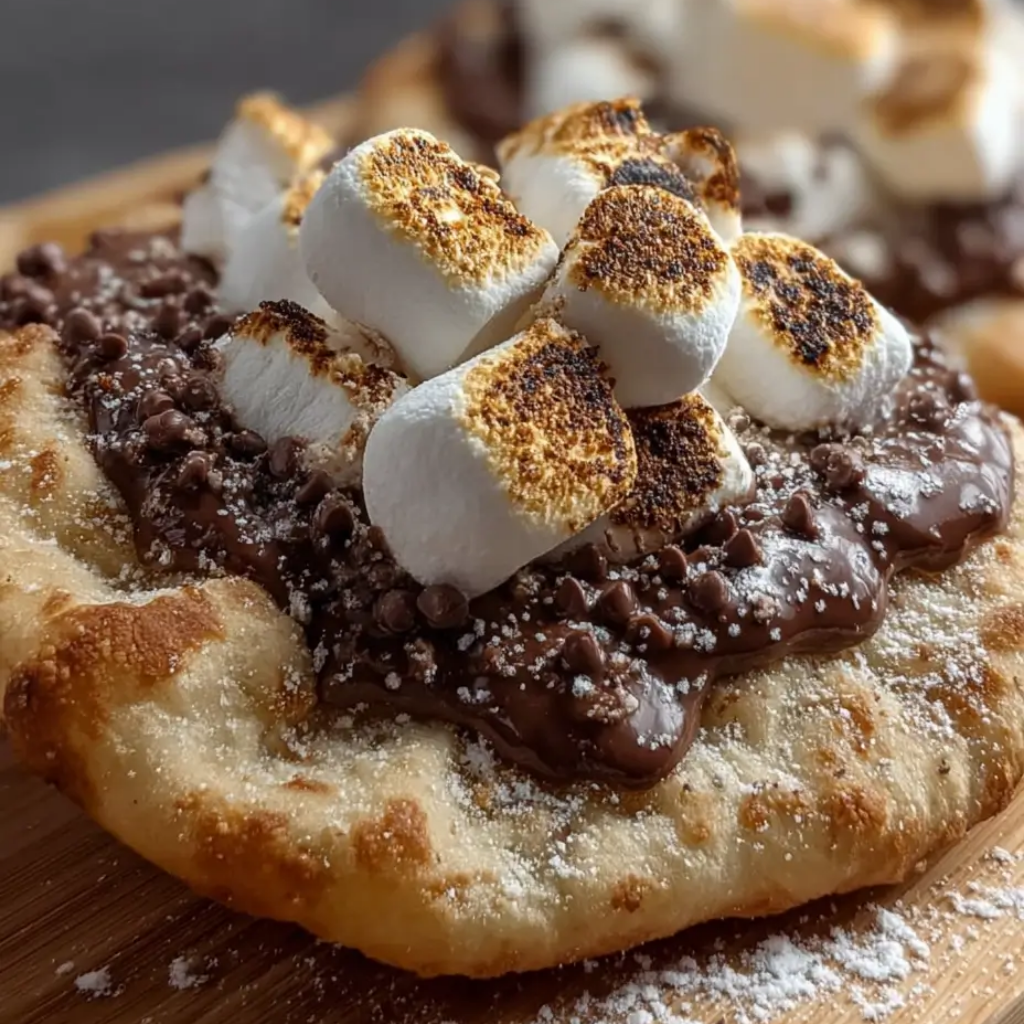
In the world of classic Canadian comfort food, there is one treat that stands out as a literal piece of cultural heritage. BeaverTails (or Queues de Castor) are more than just fried dough; they are a national pastime. Inspired by traditional family recipes for “bannock” or “fry bread,” these pastries are stretched by hand to resemble the tail of Canada’s most iconic national animal.
I have always admired the BeaverTail for its simplicity and the ritual associated with it. Whether you are skating on the Rideau Canal in Ottawa or strolling through a winter festival in Quebec, the smell of cinnamon sugar hitting hot oil is unmistakable. This recipe recreates that experience at home, providing a dough that is slightly bready, deeply golden, and the perfect canvas for a variety of sweet toppings. It is a reliable, crowd-pleasing recipe that brings the warmth of a Canadian winter into your kitchen.
Ingredients
The Dough
- 1/2 Cup Warm Water: Between 105°F and 115°F.
- 2 1/4 Teaspoons Active Dry Yeast: One standard packet.
- 1 Teaspoon Plus 1/3 Cup Granulated Sugar.
- 1/2 Cup Warm Milk.
- 1/3 Cup Melted Unsalted Butter.
- 1 Large Egg: Room temperature.
- 1 Teaspoon Sea Salt.
- 1 Teaspoon Vanilla Extract.
- 3 1/2 to 4 Cups All-Purpose Flour.
For Frying
- 1 Quart Neutral Oil: Vegetable or canola oil for deep frying.
The Classic Cinnamon Sugar Topping
- 1/2 Cup Granulated Sugar.
- 1 Tablespoon Ground Cinnamon.
- Lemon Wedges: To provide the traditional zesty finish.
Instructions
1. Activate the Yeast
In a large bowl or the bowl of a stand mixer, combine the warm water, 1 teaspoon of sugar, and the yeast. Let it sit for about 5 to 10 minutes until it becomes frothy and bubbly. This is the sign that your yeast is alive and ready to work.
2. Mix the Wet Ingredients
Once the yeast is active, whisk in the remaining 1/3 cup of sugar, the warm milk, melted butter, egg, vanilla, and salt. Whisk until the sugar has mostly dissolved.
3. Knead the Dough
Add about 2 cups of flour and begin to mix using a dough hook or a sturdy spoon. Gradually add the remaining flour, 1/4 cup at a time, until the dough pulls away from the sides of the bowl. Knead for about 5 to 7 minutes by machine (or 10 minutes by hand) until the dough is smooth, elastic, and slightly tacky but not sticky.
4. The First Rise
Place the dough in a lightly greased bowl and cover it with a clean kitchen towel. Let it rise in a warm, draft-free spot for about 45 to 60 minutes, or until it has doubled in size.
5. Shape the “Tails”
Punch the dough down to release the air. Divide it into 10 to 12 equal-sized portions. Roll each piece into a ball, then use your hands to stretch and flatten it into a long, thin oval shape—like a beaver’s tail. You want them to be about 1/4 inch thick.
6. Fry Until Golden
Heat the oil in a large, deep skillet or Dutch oven to 375°F (190°C). Carefully lower one tail into the oil. Fry for about 45 to 60 seconds per side until they are a rich, golden brown. They will puff up slightly but remain relatively flat.
7. Coat and Serve
Remove the pastry from the oil and drain it briefly on a wire rack or paper towels. While still very hot, toss the tail in the cinnamon-sugar mixture until well-coated. Serve immediately with a fresh squeeze of lemon juice over the top.
Flavor & Texture Notes
The primary sensation of a BeaverTail is warm, yeasty comfort. The exterior is crisp and caramelized from the hot oil and sugar, while the interior remains soft and pillowy.
The flavor is dominated by the toasty warmth of cinnamon, but the classic addition of lemon juice provides a sharp, bright acidity that cuts through the richness of the fried dough. It is a satisfying, dense pastry that feels more substantial than a standard doughnut.
Tips & Variations
- The “Killaloe” Special: This is the original classic—just cinnamon sugar and a wedge of fresh lemon.
- Maple Butter: For an extra-Canadian twist, spread a layer of maple butter over the hot pastry.
- Chocolate Hazelnut: Spread Nutella over the tail and top with sliced bananas or crushed pretzels.
- Apple Pie: Top with warm cinnamon-stewed apples and a dollop of whipped cream.
Storage & Make-Ahead
- Best Fresh: Fried dough is at its absolute peak within minutes of leaving the oil. I do not recommend storing fried tails as they become tough and chewy quite quickly.
- Make-Ahead Dough: You can prepare the dough and let it do its first rise in the refrigerator overnight. This cold fermentation actually improves the flavor. Bring it to room temperature before shaping and frying.
- Freezing: You can freeze the un-fried dough portions for up to a month. Thaw completely before stretching and frying.
FAQ
Why did my tails turn out heavy and greasy?
This usually happens if the oil temperature is too low. If the oil isn’t hot enough (below 350°F), the dough will absorb the oil rather than searing the outside. Use a thermometer to maintain a steady heat.
Can I bake these instead of frying them?
You can, but the result will be closer to a dinner roll than a BeaverTail. The high-heat fry is what creates the iconic texture and flavor. If you must bake, do so at 400°F for about 10 minutes, then brush with melted butter and toss in sugar.
What kind of flour is best?
All-purpose flour is perfect for this recipe as it provides enough structure to hold the “tail” shape while keeping the interior tender. Bread flour can be used for a chewier, more bread-like result.
Conclusion
BeaverTails are a reminder that the best treats are often the ones tied to a specific time and place. By mastering this simple yeast dough, you can bring a piece of Canadian tradition to your own table. It is a foolproof recipe that encourages creativity with toppings while staying grounded in a heritage of cold winters and warm hearts.