Follow Me On Social Media!
Cheesy Lasagna Soup: A Comforting Twist on a Classic.

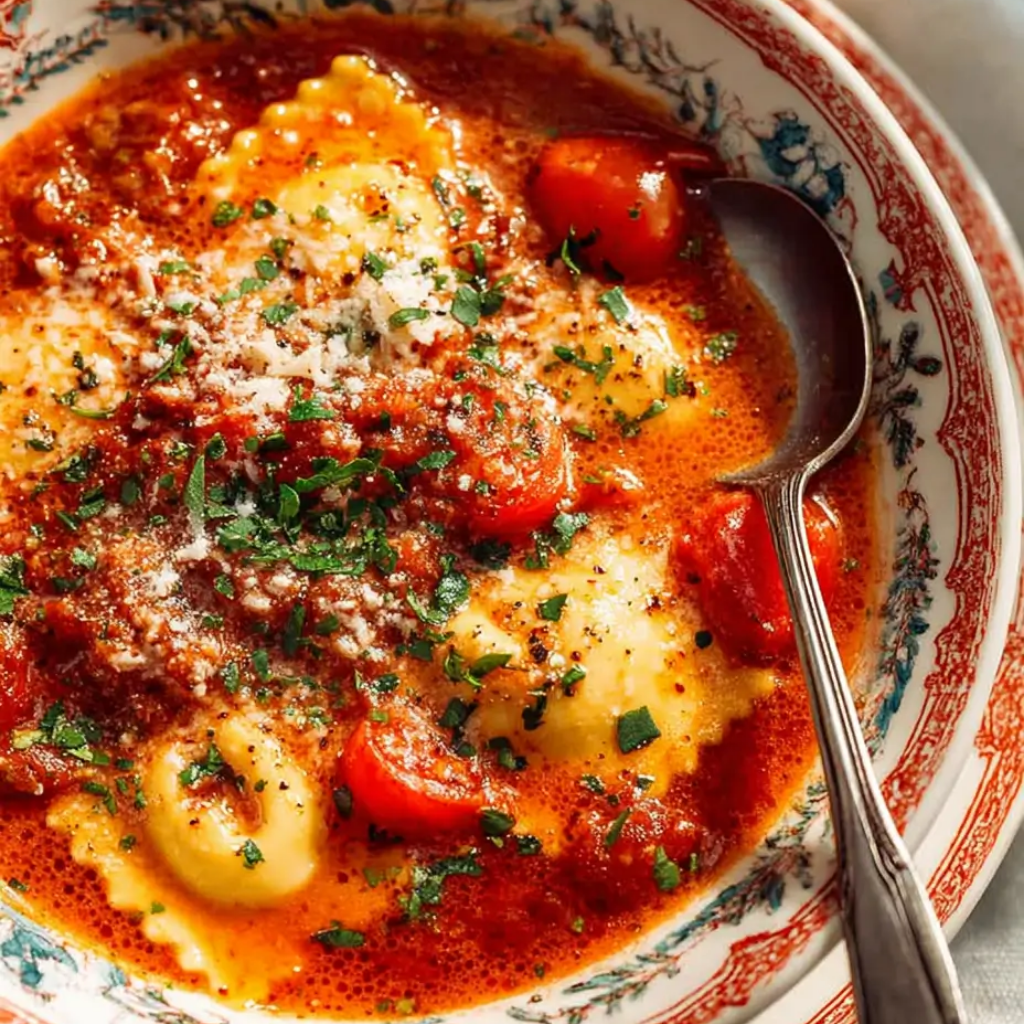
There is an undeniable magic in a pan of traditional lasagna, but the hours of layering and the inevitable mountain of dishes can be a daunting prospect for a weeknight. Enter Lasagna Soup: a brilliant reimagining that captures every iconic flavor—the savory meat, the aromatic herbs, and the molten cheese—in a fraction of the time.1 It is a dish defined by its soul-warming steam and its ability to deliver that classic Italian comfort in a single bowl.
The beauty of this recipe lies in its “one-pot” efficiency. By simmering the broken pasta directly in a rich, tomato-based broth, the starch from the noodles naturally thickens the soup, creating a velvety consistency that mimics the layers of the baked original. It is the perfect cold-weather meal that turns a few pantry staples into a sophisticated, rustic feast.
Ingredients
To achieve the ultimate cheesy finish, we use a three-cheese “dollop” added right before serving. This creates pockets of creamy ricotta and stretchy mozzarella that you can swirl into every bite.
- Ground Beef or Italian Sausage: 1 lb.
- Yellow Onion: 1 medium, diced.2
- Garlic: 3 cloves, minced.3
- Tomato Paste: 2 tablespoons.
- Chicken or Beef Broth: 6 cups.
- Crushed Tomatoes: 28 oz (1 large can).
- Lasagna Noodles: 8 to 10 sheets, broken into bite-sized pieces.
- Italian Seasoning: 1 tablespoon.
- Fresh Spinach: 2 cups (optional, for a pop of color).
- The Cheese Trio: 1 cup Ricotta, 1 cup shredded Mozzarella, and ¼ cup grated Parmesan.
- Salt & Red Pepper Flakes: To taste.
Instructions
1. Brown the Base
In a large Dutch oven or heavy-bottomed pot, brown the ground meat over medium-high heat. If using beef, drain the excess fat. Add the diced onion and cook for 4–5 minutes until translucent. Stir in the garlic and tomato paste, cooking for another minute until the paste turns a deep brick red and smells fragrant.
2. Build the Broth
Pour in the crushed tomatoes, broth, Italian seasoning, and a pinch of red pepper flakes. Bring the mixture to a rolling boil. Taste the broth and add salt and pepper as needed.
3. Cook the Pasta
Add the broken lasagna noodles to the pot. Reduce the heat to medium and simmer, stirring occasionally to prevent the noodles from sticking to the bottom. Cook for about 10 to 12 minutes, or until the pasta is al dente. If the soup becomes too thick, splash in an extra half-cup of broth.
4. Prepare the Cheese Dollop
While the pasta simmers, stir together the ricotta, mozzarella, and parmesan in a small bowl. This mixture will be the “heart” of your soup.
5. Final Assembly
If using spinach, stir it into the soup during the last minute of cooking until wilted. Ladle the hot soup into deep bowls. While the soup is piping hot, place a large dollop of the cheese mixture directly in the center of each bowl.
Flavor and Texture Notes
The first sensation is the robust, herb-infused tomato broth that carries the savory depth of the seared meat. As you dive in, you find the tender, ruffled edges of the lasagna noodles, which provide a satisfying, chewy bite.
The real star, however, is the cheese. As the dollop hits the hot broth, the mozzarella begins to stretch and the ricotta softens into a creamy swirl, mimicking the exact mouthfeel of a perfect lasagna slice. The hit of fresh spinach adds a subtle earthiness that balances the richness of the dairy and meat.
Tips and Variations
- The Noodle Hack: If you plan on having leftovers, cook the pasta separately and add it to individual bowls. This prevents the noodles from absorbing all the broth and becoming soggy overnight.
- Vegetarian Option: Swap the meat for sautéed mushrooms and zucchini, and use a rich vegetable broth.
- Creamier Texture: Stir in ½ cup of heavy cream at the end for an even more indulgent, “pink sauce” style soup.
- Spiced Up: Use “hot” Italian sausage instead of beef for a zesty kick that cuts through the creamy cheese.
Storage and Make-Ahead
- Refrigeration: Store in an airtight container for up to 4 days. Note that the noodles will continue to swell; you may need to add a splash of water or broth when reheating.
- Freezing: This soup freezes well without the pasta.4 If meal prepping, freeze the base and add fresh noodles when you’re ready to eat.
- Reheating: Reheat on the stovetop over medium-low heat to ensure the noodles don’t break apart.
FAQ
Can I use other pasta shapes?
Yes! While broken lasagna sheets are traditional, fusilli or campanelle work beautifully because their ridges hold onto the sauce and cheese.
Why is my soup so thick?
The starch from the pasta naturally thickens the liquid. If it turns into a “stew” consistency, simply thin it out with a little extra broth or water until it reaches your preferred soup texture.
Is ricotta necessary?
The ricotta provides that signature “lasagna” flavor and creaminess. If you don’t have it, a dollop of mascarpone or even a swirl of heavy cream can act as a substitute.
Conclusion
Cheesy Lasagna Soup is a reminder that the most satisfying meals often come from reimagining the classics. It is a “one-pot” miracle—transforming a handful of noodles, a jar of tomatoes, and a scoop of cheese into a sophisticated, steaming feast. Whether you’re looking for a quick family weeknight fix or a reliable dish to warm up a cold Sunday, this soup is a reliable, delicious classic.