
Follow Me On Social Media!
The Ultimate Moist Banana Bread: A Dense and Buttery Classic.

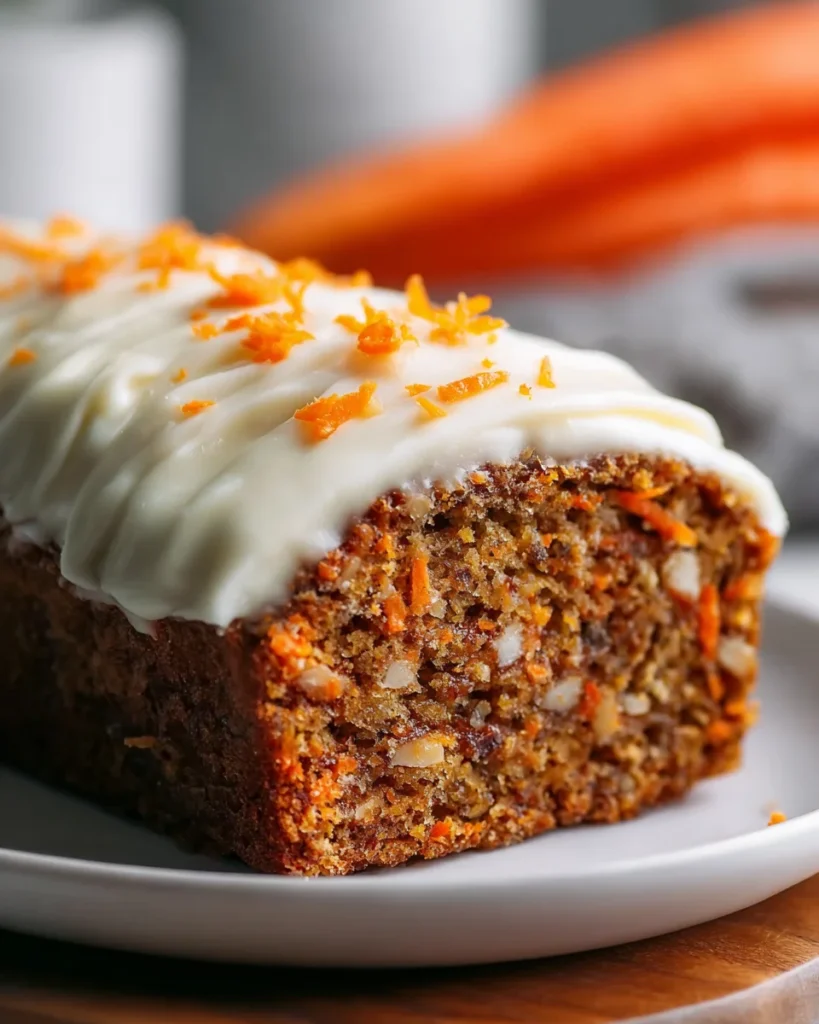
There is a specific kind of comfort that comes from a loaf of banana bread cooling on the counter. It is perhaps the most forgiving thing you can bake, turning overripe, spotted fruit that looks past its prime into a rich, golden-brown treat. While there are thousands of variations—some lean toward being cakey, others more bready—this recipe focuses on one goal: moisture.
The secret to a loaf that doesn’t dry out lies in the ratio of fats and the way you handle the bananas. We use a combination of melted butter for flavor and a touch of sour cream for a tender crumb. This creates a dense, humid interior that stays soft for days. Whether you are a beginner baker or a seasoned pro, this is the reliable, no-fuss recipe that consistently delivers a perfect result.
Ingredients for the Moistest Banana Bread
To get the best flavor, your bananas should be beyond “ripe.” They should be covered in brown spots and feel very soft to the touch. This is when the starches have fully converted to sugar.
- Bananas: 3 large (or 4 medium), very overripe and mashed.
- Unsalted Butter: 1/2 cup (115g), melted and slightly cooled.
- Granulated Sugar: 3/4 cup (150g).
- Brown Sugar: 1/4 cup (50g), packed. The molasses in the brown sugar adds moisture and depth.
- Egg: 1 large, at room temperature.
- Sour Cream or Plain Greek Yogurt: 1/4 cup. This is the “secret” to the tender, moist crumb.
- Vanilla Extract: 1 1/2 teaspoons.
- All-Purpose Flour: 1 1/2 cups (190g).
- Baking Soda: 1 teaspoon.
- Salt: 1/2 teaspoon.
- Cinnamon: 1/2 teaspoon (optional, for warmth).
- Optional Add-ins: 1/2 cup of toasted walnuts, pecans, or semi-sweet chocolate chips.
Step-by-Step Instructions
Preparation and Mashing
Preheat your oven to 350°F (175°C). Grease a 9×5 inch loaf pan thoroughly with butter or non-stick spray. For extra insurance, you can line the bottom with a strip of parchment paper, leaving an overhang on the sides to use as “handles” for easy removal later.
In a large bowl, mash the bananas with a fork or potato masher until they are mostly smooth. A few small lumps are fine and add nice texture to the finished bread.
Combining the Wet Ingredients
Whisk the melted butter into the mashed bananas. Add the granulated sugar and brown sugar, stirring until combined. Add the egg, sour cream, and vanilla extract. Whisk vigorously until the mixture is smooth and the egg is fully incorporated.
Mixing the Dry Ingredients
In a separate small bowl, whisk together the flour, baking soda, salt, and cinnamon. Gently fold the dry ingredients into the banana mixture using a rubber spatula.
The most important rule of banana bread is do not overmix. Stop as soon as you see no more streaks of flour. If you overwork the batter, the bread will become tough and develop large holes (tunneling) rather than staying dense and moist. Fold in your nuts or chocolate chips now if you are using them.
The Bake
Pour the batter into the prepared loaf pan and smooth the top. Bake for 50 to 65 minutes. Every oven is different, so start checking at the 50-minute mark. The bread is done when a toothpick inserted into the center comes out clean or with just a few moist crumbs attached.
If the top is browning too quickly but the center isn’t done, loosely tent a piece of aluminum foil over the pan for the final 15 minutes of baking.
Cooling
Let the bread cool in the pan for 10 minutes. This allows the structure to set so it doesn’t crumble when you move it. Lift it out and transfer to a wire rack to cool completely.
Flavor and Texture Notes
This banana bread is defined by its weight. It is a heavy, substantial loaf with a deeply caramelized exterior. The interior is incredibly tender—almost fudge-like in the very center—with a clean, intense banana flavor.
The sour cream adds a subtle tang that balances the sweetness of the sugars, while the cinnamon provides a faint, spicy aromatic finish. Because of the melted butter, the bread has a rich, savory backbone that sets it apart from oil-based recipes.
Tips and Variations
- The Brown Butter Upgrade: For a nuttier, more complex flavor, brown your butter in a skillet before adding it to the mashed bananas.
- Go Tropical: Replace the sour cream with full-fat coconut milk and fold in 1/2 cup of shredded coconut.
- The “Bakery” Top: Sprinkle a tablespoon of coarse turbinado sugar or a few extra chocolate chips over the batter before sliding it into the oven for a crunchy, professional-looking top.
- Muffins: This same batter makes excellent muffins. Bake at 350°F for 18–22 minutes.
Storage and Make-Ahead
- Room Temperature: Wrap the cooled bread tightly in plastic wrap or store in an airtight container. It actually tastes even better on the second day as the flavors meld. It stays moist for up to 4 days.
- Freezing: This bread freezes beautifully. Wrap the whole loaf (or individual slices) in a double layer of plastic wrap and then a layer of foil. It will keep for up to 3 months. Thaw at room temperature.
- Toasting: If the bread is a few days old, a quick toast in a pan with a little butter will bring it back to life.
Serving Suggestions
Banana bread is versatile enough to be a breakfast, a snack, or even a simple dessert.
- Warm with Salted Butter: A thick slice, warmed in the oven or toaster, and slathered with salted butter is the gold standard.
- Peanut Butter Sandwich: Use two thin slices of banana bread to make a peanut butter (and maybe bacon) sandwich.
- With Coffee: The dense texture makes it perfect for dipping into a hot latte or a dark roast coffee.
FAQ
Why did my banana bread sink in the middle?
This is usually caused by underbaking or too much leavening (baking soda). Make sure your baking soda is fresh and that you test the center of the loaf with a toothpick before removing it from the oven.
Can I use frozen bananas?
Yes! Thaw them completely in a bowl first. They will release a lot of liquid; keep that liquid and mash it right in with the bananas—it’s packed with sugar and flavor.
Can I make this dairy-free?
You can substitute the melted butter for melted coconut oil and use a dairy-free yogurt or additional mashed banana in place of the sour cream. The flavor will change slightly but the moisture will remain.
Conclusion
A great banana bread recipe is a tool every cook should have in their back pocket. It is a simple, satisfying way to reduce food waste while creating something that everyone loves. By focusing on high-quality fats and resisting the urge to overmix, you can produce a loaf that is consistently moist and flavorful.