Follow Me On Social Media!
Chicken Pesto Pasta: A Quick and Flavorful Weeknight Meal.

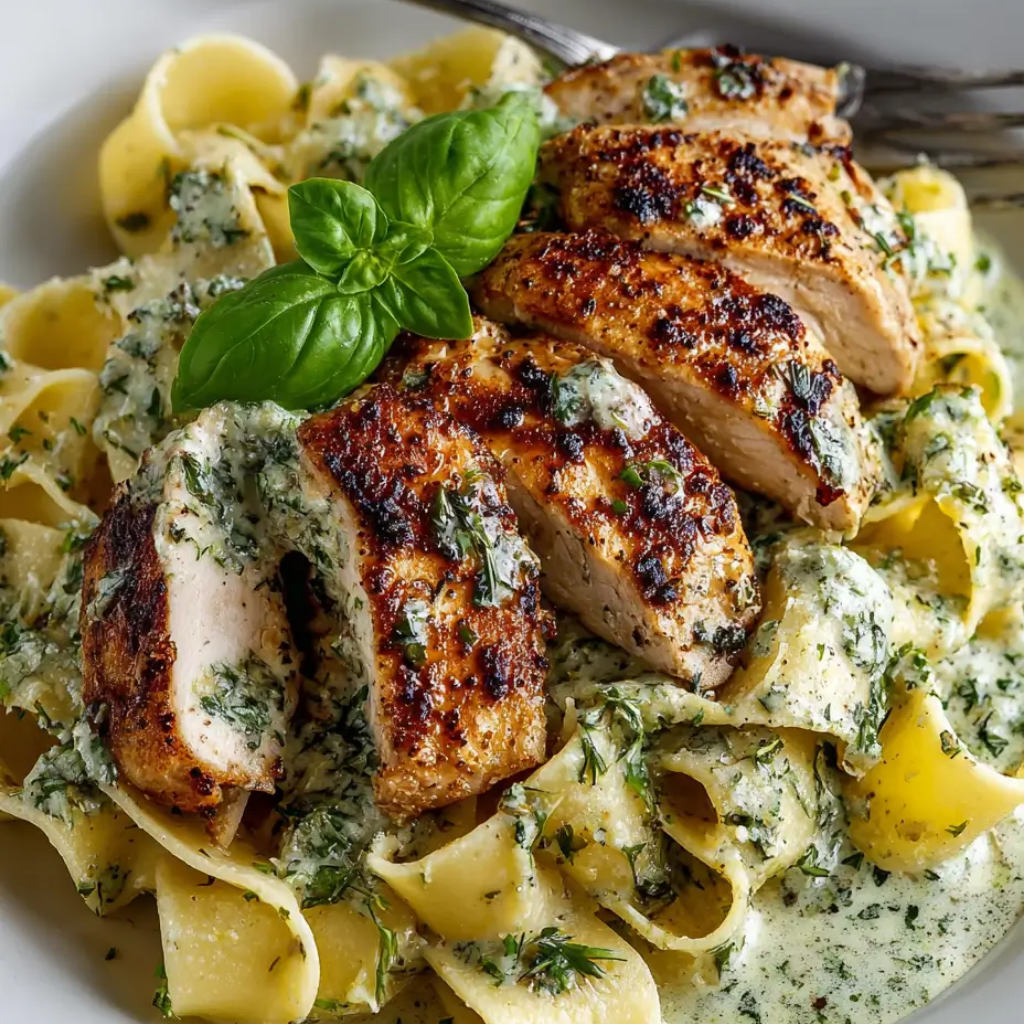
Sometimes, the best dinners are the ones that feel effortless but taste like you spent hours in the kitchen. That’s exactly what this chicken pesto pasta delivers—a simple, satisfying dish that comes together in about 30 minutes, yet carries vibrant layers of flavor. Whether you’re cooking for your family after work or preparing a weekend lunch for friends, this recipe hits the sweet spot between convenience and quality.
Using a bright basil pesto, tender chicken, and al dente pasta, this meal balances freshness, richness, and a touch of savory comfort. The ingredients are straightforward, easy to find, and can be adapted to suit what you have on hand, making it a flexible addition to your weekly rotation. Plus, the leftovers reheat beautifully for a quick lunch the next day.
Ingredients
Here’s what you’ll need to make this chicken pesto pasta. All measurements are for about four servings.
For the Pasta and Chicken
- 12 oz (340 g) pasta (penne, fusilli, or farfalle work well)
- 2 tablespoons olive oil
- 2 medium chicken breasts, boneless and skinless
- Salt and freshly ground black pepper, to taste
- 1 teaspoon garlic powder (optional, for extra flavor)
For the Pesto Sauce
- 1/2 cup basil pesto (store-bought or homemade)
- 1/4 cup grated Parmesan cheese
- 1/4 cup reserved pasta water
- 1 tablespoon lemon juice (optional, for brightness)
Optional Add-Ins
- 1 cup cherry tomatoes, halved
- 1/2 cup roasted red peppers, sliced
- 1/4 cup toasted pine nuts or walnuts
- A handful of fresh arugula or spinach
Instructions
Cooking this chicken pesto pasta is straightforward, but a few small tips make a big difference in flavor and texture.
Step 1: Cook the Pasta
Bring a large pot of salted water to a boil and cook your pasta according to the package instructions until al dente. Before draining, scoop out about 1/4 cup of pasta water and set it aside—it will help loosen the pesto sauce later. Drain the pasta and set aside.
Step 2: Prepare the Chicken
While the pasta cooks, heat olive oil in a large skillet over medium heat. Season the chicken breasts generously with salt, pepper, and garlic powder if using. Cook the chicken for 5–7 minutes per side, or until golden brown and cooked through (internal temperature should reach 165°F/74°C). Let the chicken rest for a few minutes, then slice it thinly.
Step 3: Combine Pasta and Pesto
Return the drained pasta to the pot or a large mixing bowl. Add the basil pesto and toss to coat evenly. If the pesto seems thick, stir in a bit of the reserved pasta water until you reach a silky, lightly saucy consistency. Add Parmesan cheese and lemon juice, then toss again.
Step 4: Add Chicken and Optional Ingredients
Gently fold in the sliced chicken. If you’re using vegetables like cherry tomatoes, roasted peppers, or greens, add them now. Toasted nuts can be sprinkled on top for extra crunch. Taste and adjust seasoning with additional salt, pepper, or a squeeze of lemon.
Step 5: Serve Warm
Transfer the pasta to plates or a serving dish. For a final touch, drizzle a little extra olive oil or sprinkle more Parmesan cheese on top. Serve immediately and enjoy the mix of warm, herby, and lightly nutty flavors.
Flavor & Texture Notes
This chicken pesto pasta combines a variety of sensations that keep each bite interesting. The chicken is tender and savory, contrasting with the bright, herbal notes of basil in the pesto. The pasta itself is soft but still has a satisfying bite when cooked properly.
Adding Parmesan brings a subtle salty, umami depth that ties the dish together, while a squeeze of lemon juice brightens the flavors without overpowering the pesto. Cherry tomatoes or roasted peppers, if included, add pops of sweetness and acidity. Toasted nuts provide a gentle crunch that balances the creamy texture of the sauce. Overall, the dish feels fresh but hearty—a balance that makes it both comforting and lively on the palate.
Tips & Variations
Even a straightforward recipe benefits from a few tweaks and substitutions:
- Protein Options: Swap chicken for shrimp, salmon, or even chickpeas for a vegetarian version.
- Pasta Choices: Any short pasta works well—penne, fusilli, or even farfalle. For a lighter version, try whole wheat or legume-based pasta.
- Pesto Variations: While basil pesto is classic, sun-dried tomato or arugula pesto adds a unique twist.
- Make It Creamier: Stir in a few tablespoons of cream, Greek yogurt, or mascarpone for a richer sauce.
- Extra Veggies: Zucchini ribbons, asparagus tips, or peas are easy ways to boost the vegetable content.
- Spice it Up: A pinch of red pepper flakes or a drizzle of chili oil gives the dish a subtle kick.
Storage & Make-Ahead
- Refrigeration: Store leftover pasta in an airtight container for up to 3 days. The pesto flavor remains fresh, but the pasta may absorb some of the sauce, so add a splash of olive oil or reserved pasta water when reheating.
- Freezing: Pesto pasta is best fresh or refrigerated; freezing can change the texture of the pasta and make the chicken slightly dry.
- Make-Ahead Tips: Cook the chicken and pasta separately, then store in the fridge. Assemble the dish just before serving to keep it fresh and vibrant.
Serving Suggestions
Pair this chicken pesto pasta with light, complementary sides to round out the meal:
- A crisp green salad with lemon vinaigrette
- Garlic bread or a rustic baguette
- Roasted vegetables like broccoli, bell peppers, or cherry tomatoes
- A glass of crisp white wine or sparkling water with lemon for a simple drink pairing
For presentation, add a few basil leaves or a sprinkle of Parmesan on top—simple touches make it feel special without extra effort.
FAQ
1. Can I make this dish vegetarian?
Yes! Replace the chicken with chickpeas, tofu, or extra vegetables like zucchini, mushrooms, or bell peppers. You can also add more nuts for protein.
2. Can I use store-bought pesto?
Absolutely. High-quality store-bought pesto works fine. Taste and adjust salt and lemon juice as needed, since some pestos are saltier than others.
3. How do I prevent the pasta from getting soggy?
Cook pasta al dente and drain it well. Toss it with pesto immediately rather than letting it sit too long. If storing leftovers, add a splash of olive oil or pasta water when reheating.
4. Can I make this gluten-free?
Yes, substitute the pasta with a gluten-free variety like rice pasta or chickpea pasta. Cooking times may vary, so check the package instructions.
5. What’s the best way to reheat leftovers?
Warm gently in a skillet over medium-low heat, adding a bit of olive oil, pasta water, or cream to bring the sauce back to a silky texture. Avoid microwaving on high, as it can make the chicken dry.
Chicken pesto pasta is one of those recipes that makes weeknight cooking feel manageable without sacrificing taste. Its balance of fresh, savory, and lightly tangy notes keeps it from feeling heavy, yet it’s satisfying enough to serve as a main course. The combination of easy preparation, flexible ingredients, and straightforward technique makes it approachable for cooks of all levels.
Try this recipe and see how a few quality ingredients and simple steps can transform a regular pasta dinner into something memorable. Once you master the base, experimenting with vegetables, nuts, or different proteins keeps it interesting week after week. It’s a recipe you can rely on when you want a meal that feels thoughtful, without needing hours in the kitchen.