Follow Me On Social Media!
The Ultimate Slow Cooker Beef Stew: A Hearty and Comforting Meal.

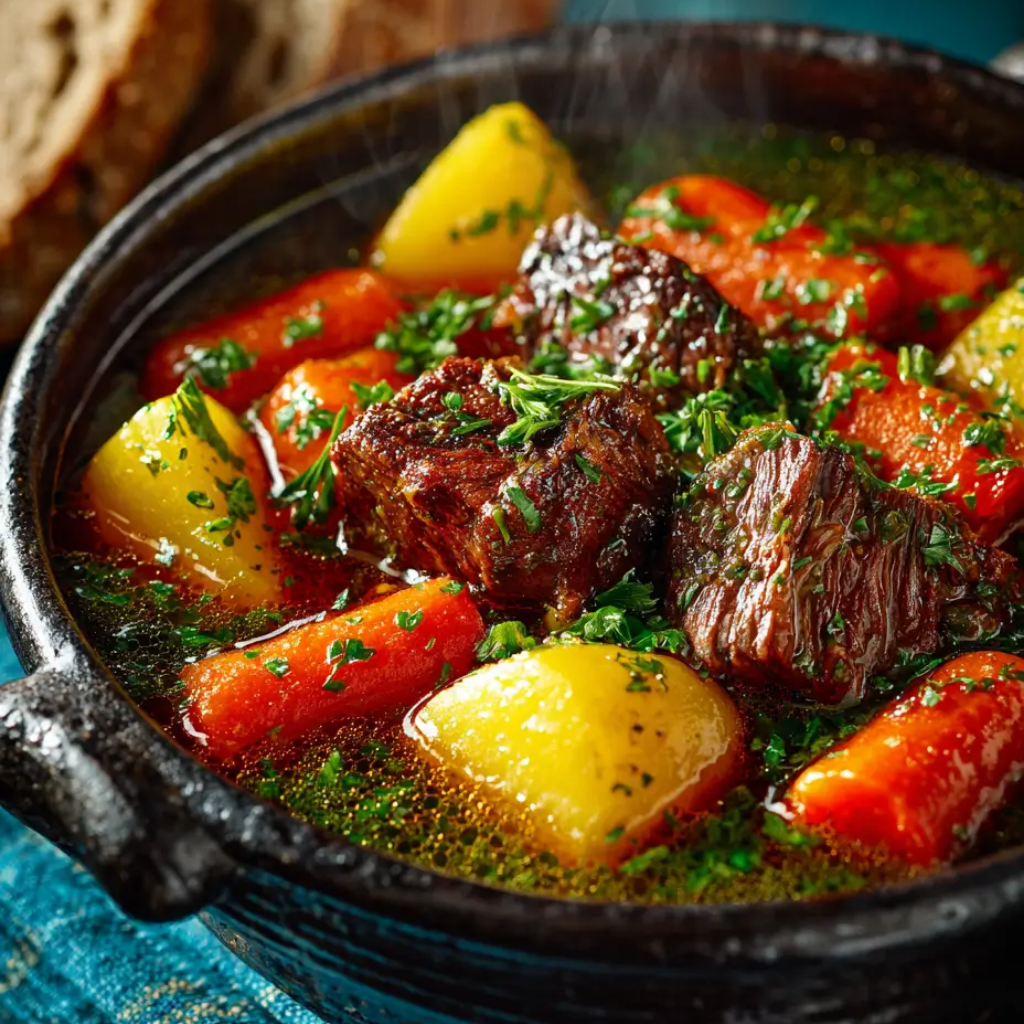
There is a specific kind of domestic peace that comes from a slow cooker bubbling away on a rainy afternoon. As the hours pass, the kitchen fills with a deep, savory aroma that promises a meal worth the wait. Beef stew is the quintessential comfort food, a dish that has warmed generations of families. While you can certainly make a quick version on the stovetop, there is no substitute for the low-and-slow transformation that happens inside a ceramic crock.
The beauty of this slow cooker beef stew lies in the science of the simmer. By giving the beef hours to gently break down, even the humblest, toughest cuts of meat become tender enough to collapse at the touch of a fork. This recipe focuses on building layers of flavor—starting with a hard sear on the meat and finishing with a rich, glossy gravy that binds the vegetables and beef together. It’s a set-it-and-forget-it masterpiece that tastes like a weekend but fits perfectly into a busy weekday.
Ingredients
The Meat and Aromatics
- 2 lbs Beef Chuck Roast: Cut into 1.5-inch cubes. Chuck is the gold standard for stew because its marbled fat melts down to create a succulent texture.
- 1/4 Cup All-Purpose Flour: For dredging the beef and thickening the stew.
- 1 Large Yellow Onion: Roughly chopped into thick pieces.
- 4 Cloves Garlic: Smashed and minced.
- 2 Tablespoons Extra Virgin Olive Oil: For searing.
The Hearty Vegetables
- 1 lb Baby Yukon Gold Potatoes: Halved. These maintain their creamy texture without turning to mush.
- 4 Large Carrots: Peeled and cut into thick 1-inch rounds.
- 2 Stalks Celery: Chopped into half-moons.
- 1 Cup Frozen Peas: To be added at the very end for a pop of color and sweetness.
The Savory Braising Liquid
- 3 Cups Low-Sodium Beef Broth: High-quality broth makes a significant difference.
- 1/2 Cup Dry Red Wine: Like Cabernet or Merlot. This adds a sophisticated acidity that cuts through the richness. (See tips for a non-alcoholic swap).
- 2 Tablespoons Tomato Paste: For a deep, umami base.
- 1 Tablespoon Worcestershire Sauce: For a hit of fermented saltiness.
- 2 Dried Bay Leaves: An essential woody aromatic.
- 1 Teaspoon Dried Thyme: The classic herb for beef.
- Salt and Freshly Cracked Black Pepper: To taste.
Instructions
1. The Critical Sear
Start by tossing your beef cubes in a bowl with the flour, a heavy pinch of salt, and pepper until evenly coated. Heat the olive oil in a large skillet over medium-high heat. Working in batches to avoid overcrowding, sear the beef until a deep, dark brown crust forms on at least two sides.
Note: Do not skip this step! This “Maillard reaction” is where the most intense savory flavor of the stew is born. Transfer the browned beef to your slow cooker.
2. Deglaze the Pan
Once the beef is removed, add the tomato paste to the hot skillet. Stir it for 60 seconds to “toast” it, then pour in the red wine. Use a wooden spoon to scrape up all those flavorful brown bits stuck to the bottom of the pan. Let the wine simmer for two minutes, then pour the entire mixture over the beef in the slow cooker.
3. Layer the Vegetables
Add the onions, garlic, potatoes, carrots, and celery to the slow cooker. Pour in the beef broth and Worcestershire sauce. Add the bay leaves and dried thyme. Give everything a gentle stir to ensure the meat and vegetables are mostly submerged in the liquid.
4. Low and Slow
Set your slow cooker to Low for 7 to 8 hours (preferred) or High for 4 to 5 hours. The “Low” setting is always better for beef stew as it allows the connective tissue in the meat to gelatinize slowly, resulting in a much more tender bite.
5. The Finishing Touch
About 15 minutes before you are ready to serve, stir in the frozen peas. Their residual heat will cook them through while keeping them bright green. Taste the gravy—this is the time to add a final pinch of salt or a crack of black pepper if needed. Remove the bay leaves before ladling into bowls.
Flavor and Texture Notes
This stew is a study in “deep” flavor. The gravy is thick, glossy, and intensely savory, with a subtle tang from the red wine and tomato paste. The beef is the star—it should be “melt-in-your-mouth” tender, falling apart with almost no resistance.
The vegetables provide a necessary structural contrast. The Yukon Gold potatoes are buttery and soft, having absorbed the beef juices, while the carrots offer a mild, earthy sweetness. Every spoonful feels heavy and substantial, the kind of meal that stays with you long after the dishes are cleared.
Tips and Variations
A beef stew is a forgiving canvas for whatever you have in your pantry:
- Non-Alcoholic Version: If you prefer not to use wine, simply replace the 1/2 cup of red wine with an extra 1/2 cup of beef broth and a tablespoon of balsamic vinegar. The vinegar provides the acidity needed to balance the fat.
- The Mushroom Twist: Add a cup of quartered cremini mushrooms with the carrots. They add an extra layer of “meatiness” to the broth.
- Stovetop Method: If you don’t have a slow cooker, follow the same steps in a heavy Dutch oven. Cover and bake in a 300°F oven for about 3 to 3.5 hours.
- Gluten-Free: Use a gluten-free all-purpose flour blend or cornstarch for the dredging.
Storage and Make-Ahead
Like many braised dishes, beef stew is notoriously better on the second day. The flavors continue to meld and deepen as the stew sits.
- Refrigeration: Store in an airtight container for up to 4 days.
- Freezing: This stew freezes beautifully. Place in freezer-safe containers for up to 3 months. When reheating, the potatoes may become slightly softer, but the flavor will be excellent.
- Reheating: Reheat on the stove over medium-low heat. You may need to add a splash of water or broth to loosen the gravy as it will thicken significantly in the fridge.
Serving Suggestions
For a truly comforting experience, serve this stew in wide, shallow bowls. It is a complete meal on its own, but a thick slice of crusty, buttered baguette or a side of fluffy mashed potatoes is perfect for catching every last drop of that rich gravy.
If you’re looking for a bit of brightness to cut through the heavy flavors, a simple side salad with a sharp lemon vinaigrette works wonders. A cold, dark stout or a glass of the same red wine you used in the cooking makes for a perfect evening pairing.
FAQ
Why is my beef still tough?
If the beef is tough, it simply hasn’t cooked long enough. Beef chuck needs time for the collagen to break down into gelatin. Give it another hour on low and check again.
How do I make the gravy thicker?
If you prefer an even thicker stew, take a tablespoon of cornstarch mixed with a tablespoon of cold water (a slurry) and stir it into the bubbling stew 30 minutes before serving.
Do I have to peel the potatoes?
With Yukon Gold or red potatoes, the skin is very thin and adds a nice rustic texture, so peeling is optional. However, if you are using Russet potatoes, definitely peel them as their skin can be quite tough.
Can I use “stew meat” from the grocery store?
You can, but “stew meat” is often a collection of different trimmings that may cook at different rates. Buying a whole chuck roast and cutting it yourself ensures every piece is of the same quality and will be tender at the same time.
Conclusion
Slow Cooker Beef Stew is more than just a recipe; it’s a kitchen ritual that rewards patience with pure, unadulterated comfort. It is a reminder that the best things in life often take time, and that simple, honest ingredients—when treated with care—can create a meal that feels like home.