Follow Me On Social Media!
Hibachi Zucchini: A Flavorful and Healthy Side Dish.

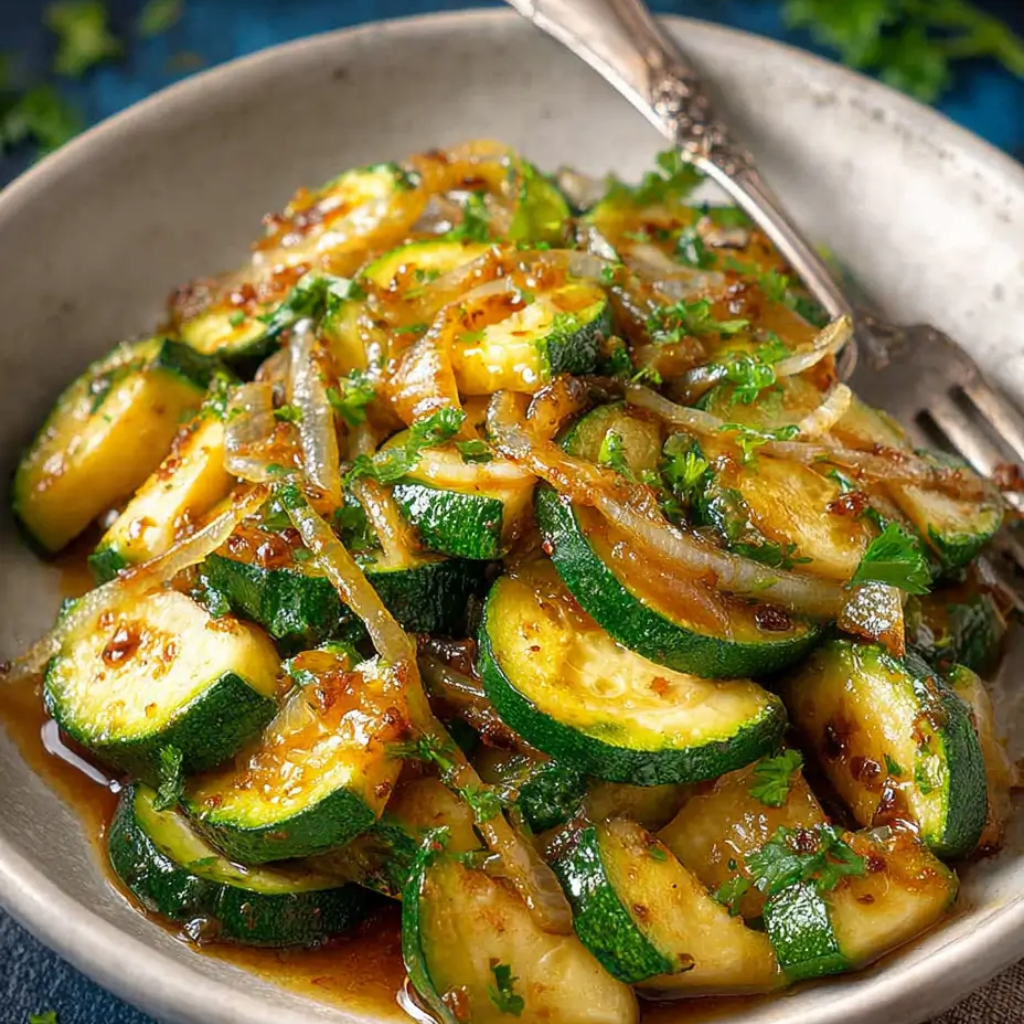
There is a specific nostalgia associated with the sights and sounds of a Japanese steakhouse—the rhythmic clanging of spatulas, the soaring flames, and that unmistakable savory aroma that fills the air. While the showmanship is part of the fun, it is often the simplest side dish on the grill that leaves the most lasting impression: the hibachi zucchini. These tender-crisp, deeply browned vegetables have a way of stealing the spotlight from the main course, offering a salty, buttery, and slightly sweet bite that feels both indulgent and light.
I began recreating this dish at home when I realized that the “secret” to that restaurant-style flavor wasn’t a hidden ingredient, but rather a specific cooking technique. By using high heat and a well-timed splash of soy sauce, you can transform a humble zucchini into a robust side dish in less than ten minutes. It is the perfect solution for those evenings when you need a vegetable that actually excites the household, and it pairs seamlessly with everything from grilled chicken to a simple bowl of steamed rice.
Ingredients
The Vegetables
- 3 Medium Zucchini: Firm and bright green. Avoid overly large zucchini as they tend to be seedy and can become watery.
- 1 Small Sweet Onion: Cut into thick, bite-sized wedges. The onion provides a necessary savory crunch.
The Hibachi Sauce and Aromatics
- 2 Tablespoons Unsalted Butter: This is the key to that authentic steakhouse richness.
- 1 Tablespoon Vegetable Oil: Or any high-smoke-point oil to prevent the butter from burning.
- 2 Tablespoons Soy Sauce: Use low-sodium if you prefer to control the salt level.
- 1 Teaspoon Toasted Sesame Oil: For a deep, nutty aroma.
- 1 Teaspoon Sugar: Just a touch to encourage caramelization and balance the salt.
- 2 Cloves Garlic: Minced or pressed.
- 1/2 Teaspoon Black Pepper: Freshly cracked is best.
The Garnish
- 1 Tablespoon Toasted Sesame Seeds: For a professional finish.
- Fresh Scallions: Finely sliced.
Instructions
1. Master the Cut
The secret to the perfect hibachi texture is how you slice the zucchini. Trim the ends off the zucchini and cut each one in half crosswise. Slice each half into four long wedges (planks), then cut those planks into bite-sized batons about 2 inches long. You want thick pieces that can withstand high heat without turning to mush.
2. High Heat is Essential
Place a large heavy-bottomed skillet or a flat-top griddle over medium-high heat. Add the vegetable oil. Once the oil is shimmering and just starting to wisps with smoke, add the zucchini and onions.
3. The Initial Sear
Spread the vegetables out in a single layer. Let them sit undisturbed for 2 to 3 minutes. This allows the zucchini to develop those characteristic dark brown “char” marks that provide the depth of flavor. If you toss them too early, they will steam instead of sear.
4. Add the Aromatics
Once the vegetables have a good sear on one side, toss them gently. Add the butter to the center of the pan. Once melted, stir in the minced garlic and black pepper. Sauté for about 60 seconds until the garlic is golden and fragrant.
5. Deglaze and Caramelize
Whisk the soy sauce, toasted sesame oil, and sugar in a small bowl, then pour it over the vegetables. The liquid will bubble and hiss as it hits the hot pan. Continue to toss the vegetables for another 2 to 3 minutes. The sauce will reduce into a glossy glaze that coats every piece of zucchini.
6. The Finish
Remove the pan from the heat while the zucchini still has a slight “snap” to it. Sprinkle with toasted sesame seeds and fresh scallions. Serve immediately while piping hot.
Flavor and Texture Notes
This dish is a masterclass in umami. The zucchini itself is succulent and tender, having absorbed the savory soy sauce and rich butter. The onions become sweet and slightly translucent, offering a soft crunch that complements the vegetable batons.
Flavor-wise, it hits all the right notes: the saltiness of the soy, the nuttiness of the sesame, and the richness of the butter. The tiny amount of sugar doesn’t make the dish “sweet,” but rather creates a savory glaze that clings to the charred edges of the vegetables. It feels incredibly satisfying and pairs perfectly with a spicy dipping sauce or a ginger dressing.
Tips and Variations
While the classic version is hard to beat, you can easily customize this skillet:
- Add Mushrooms: Sliced white button or cremini mushrooms are a classic addition to hibachi vegetables and soak up the sauce beautifully.
- Make it Spicy: Add a teaspoon of sriracha or a pinch of red pepper flakes to the soy sauce mixture for a kick.
- Vegan Option: Substitute the butter with a high-quality vegan butter or simply use more sesame oil. The flavor will still be excellent.
- The Ginger Twist: Add a teaspoon of freshly grated ginger along with the garlic for a brighter, more zesty flavor profile.
Storage and Make-Ahead
Hibachi zucchini is at its absolute peak the second it leaves the pan. However, if you have leftovers, they can be repurposed.
- Refrigeration: Store in an airtight container for up to 2 days.
- Reheating: Avoid the microwave, as it will make the zucchini rubbery. Instead, toss them back into a hot, dry skillet for 2 minutes to revive the edges.
- Creative Use: Chop up leftover hibachi zucchini and stir it into a fried rice or a breakfast scramble the next morning.
Serving Suggestions
To create a full “Hibachi at Home” experience, serve this alongside a quick ginger-fried rice and some seared shrimp or steak. It is also an excellent companion to a simple grilled salmon.
For a true restaurant feel, serve a small bowl of “Yum Yum Sauce” (a creamy, tomato-based dipping sauce) on the side. The cool, tangy sauce provides a fantastic contrast to the warm, salty zucchini. As for a beverage, a cold green tea or a light Japanese lager helps cut through the buttery richness of the dish.
FAQ
Why did my zucchini turn out soggy?
Soggy zucchini usually happens for two reasons: the pan wasn’t hot enough, or the pan was overcrowded. If the vegetables are piled on top of each other, they release moisture and steam. Cook in two batches if your skillet isn’t large enough to keep them in a single layer.
Do I need to peel the zucchini?
No. The skin provides the structural integrity that allows the zucchini to be seared without falling apart. It also adds a beautiful color to the final dish.
Can I use yellow squash?
Yes, yellow summer squash works perfectly in this recipe. It has a similar moisture content and texture, making it a great colorful swap or addition.
What if I don’t have sesame oil?
While sesame oil provides that specific “hibachi” aroma, you can omit it if necessary. The butter and soy sauce will still carry the dish, but the flavor will be slightly less complex.
Conclusion
Hibachi Zucchini is proof that you don’t need a flat-top grill or a chef’s hat to create something truly craveable. It respects the integrity of the vegetable while using a few bold, pantry-staple ingredients to elevate it into something special. It’s a fast, healthy side dish that brings a bit of steakhouse flair to your everyday dinner table.
Would you like me to help you create a recipe for a homemade Yum Yum sauce to serve alongside this zucchini?