Follow Me On Social Media!
Winter Harvest Dinner Bowl: A Cozy and Nutritious Meal.

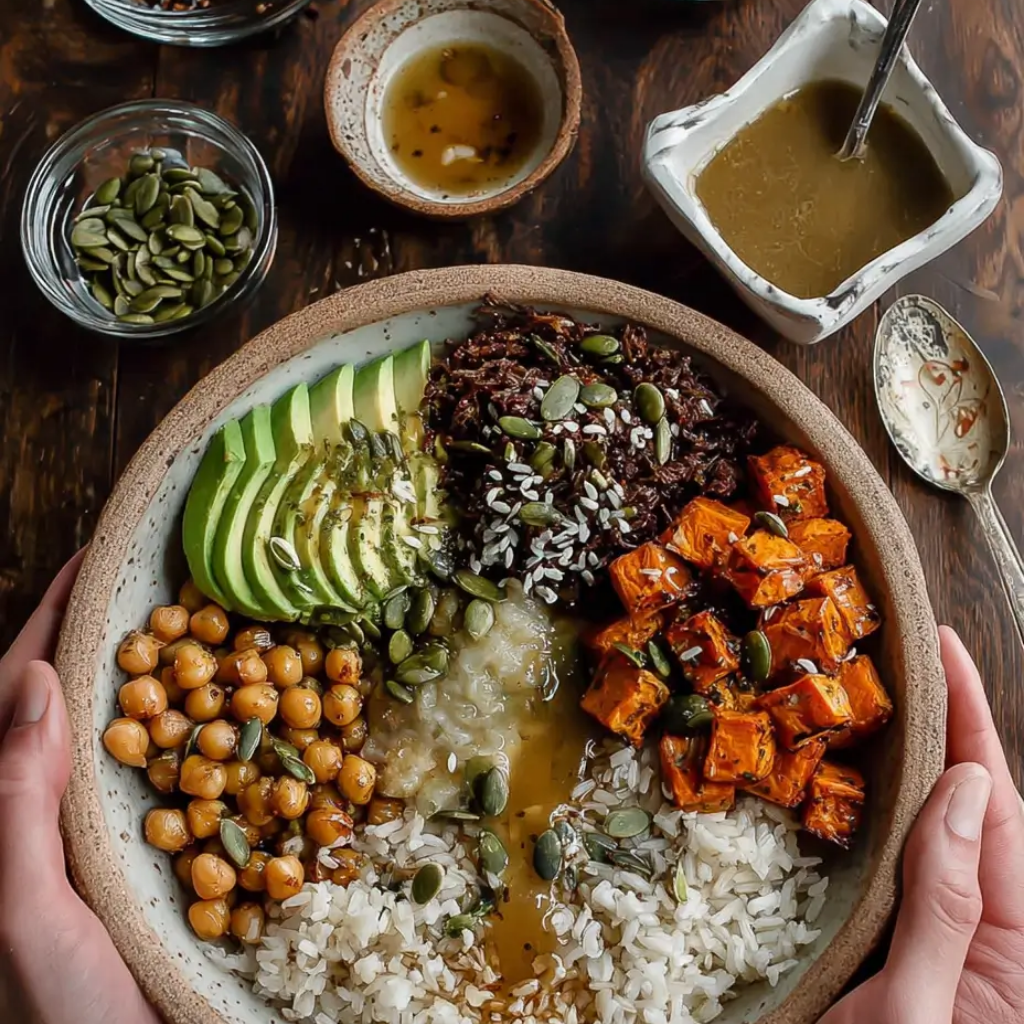
When the temperature drops and the evenings pull in early, our natural instinct is to reach for food that offers a sense of grounding. There is a specific kind of comfort found in a “bowl meal”—the kind where every forkful offers a different combination of textures, and you don’t need a steak knife to enjoy it. This Winter Harvest Dinner Bowl is designed to be exactly that. It captures the essence of the season by leaning into the earthy, honey-like flavors of roasted squash, the bitterness of hearty greens, and the chew of ancient grains.
This recipe isn’t just about throwing random leftovers into a dish; it’s a strategic assembly of flavors meant to sustain you through the colder months. I started making variations of this bowl during a winter when I felt constantly sluggish. I realized that while I wanted “comfort,” my body actually needed vibrant produce and complex carbohydrates. The beauty of this meal lies in its balance: you get the warmth of a roasted dinner with the nutritional punch of a fresh salad. It’s a versatile template that honors the produce available at the peak of winter.
Ingredients
The Roasted Base
- 1 Large Butternut Squash: Peeled, seeded, and cut into 1-inch cubes.
- 1 lb Brussels Sprouts: Trimmed and halved. The outer leaves that fall off get extra crispy—keep them!
- 2 Tablespoons Extra Virgin Olive Oil: For roasting.
- 1/2 Teaspoon Cinnamon: A subtle hint that brings out the natural sugars in the squash.
- Salt and Cracked Black Pepper: To taste.
The Grains and Greens
- 1 Cup Dry Farro or Quinoa: Farro provides a wonderful nutty chew, but quinoa is a great gluten-free alternative.1
- 2 Cups Kale: Lacinato (Dino) kale is preferred here. De-stemmed and finely shredded.
- 1 Teaspoon Olive Oil and a pinch of salt: For “massaging” the kale.
The Toppings
- 1/2 Cup Pomegranate Arils: These act like little jewels of tart juice that brighten the whole bowl.
- 1/3 Cup Crumbled Goat Cheese: Adds a creamy, tangy finish.
- 1/4 Cup Toasted Walnuts: Roughly chopped for an essential earthy crunch.
The Maple Tahini Dressing
- 3 Tablespoons Creamy Tahini: Ensure it is well-stirred before measuring.
- 1 Tablespoon Maple Syrup: Use real Grade A syrup for the best flavor.
- 1 Tablespoon Apple Cider Vinegar: Adds a necessary fermented tang.
- 1-2 Tablespoons Warm Water: To thin the dressing to your preferred consistency.
Instructions
1. Roast the Winter Vegetables
Preheat your oven to 400°F (200°C). On a large sheet pan, toss the butternut squash cubes and halved Brussels sprouts with olive oil, salt, pepper, and that pinch of cinnamon. Spread them out in a single layer—overcrowding the pan will cause the vegetables to steam rather than roast. Slide them into the oven for 25 to 30 minutes. You are looking for the squash to be fork-tender and the sprouts to have charred, crispy edges.
2. Prepare the Grains
While the vegetables are in the oven, cook your farro or quinoa according to the package instructions using salted water or vegetable broth for extra flavor. Once cooked, fluff the grains with a fork and let them sit uncovered for a few minutes. This allows excess steam to escape so the grains remain distinct and don’t turn into a mushy clump.
3. Massage the Kale
This is a step many people skip, but it is the secret to a great grain bowl. Place your shredded kale in a small bowl with a drizzle of olive oil and a tiny pinch of salt. Use your hands to literally “scrub” the kale for about 60 seconds. You will feel the leaves soften and see them turn a darker, more vibrant green. This breaks down the tough cellulose and makes the kale much more pleasant to eat raw.
4. Whisk the Maple Tahini Dressing
In a small jar or ramekin, whisk together the tahini, maple syrup, and apple cider vinegar. At first, the tahini might “seize” and become thick—this is normal. Slowly whisk in the warm water one tablespoon at a time until the dressing is smooth and pourable. Taste it; it should be nutty, slightly sweet, and sharply acidic.
5. Assemble the Bowls
To build your harvest bowl, start with a base of warm grains. Top with a generous handful of the massaged kale, followed by a heap of the roasted squash and Brussels sprouts. Sprinkle the pomegranate arils, toasted walnuts, and goat cheese over the top. Finish by drizzling the maple tahini dressing over everything right before serving.
Flavor and Texture Notes
The first thing you’ll notice about this bowl is the depth of flavor. The cinnamon-kissed butternut squash is soft and sweet, contrasting with the salty, slightly bitter char of the Brussels sprouts. The farro adds a significant “bounce” and chewiness that makes the meal feel very substantial.
As you dig deeper, the pomegranate seeds provide a sudden burst of acidity that cuts through the richness of the tahini and goat cheese. The dressing itself is savory and velvety, tying the earthiness of the vegetables to the brightness of the fruit. It’s a dish that hits every part of the palate: sweet, salty, bitter, and sour.
Tips and Variations
The Winter Harvest Bowl is meant to be a flexible guide rather than a rigid set of rules.
- Protein Boost: While this bowl is filling as is, it pairs beautifully with grilled chicken thighs, seared salmon, or even a jammy soft-boiled egg.
- Vegetable Swaps: If you don’t like squash, roasted sweet potatoes or carrots are excellent substitutes. Instead of Brussels sprouts, try roasted broccoli or cauliflower.
- Vegan Option: Simply omit the goat cheese or replace it with a dollop of hummus or some sliced avocado for that creamy element.
- Nut-Free: Swap the walnuts for toasted sunflower seeds or roasted pepitas.
Storage and Make-Ahead
This is a premier meal-prep recipe. The roasted vegetables and grains can be prepared up to 4 days in advance and stored in the fridge.
If you are taking this for lunch, I recommend storing the dressing in a separate small container. You can eat the bowl cold, but it is best if you briefly reheat the grains and roasted vegetables in the microwave before adding the fresh kale, pomegranate, and dressing. The massaged kale is sturdy enough that it won’t wilt significantly even if it’s dressed a few hours early.
Serving Suggestions
If you are serving this for a cozy dinner with friends, consider serving it “family style.” Lay the grains on a large platter, arrange the roasted vegetables over the top, and scatter the garnishes across the whole dish. It makes for a stunning, colorful presentation that invites everyone to scoop out exactly what they want. Pair it with a crisp glass of white wine or a hot mug of ginger tea to lean into the seasonal theme.
FAQ
Do I have to peel the butternut squash?
While the skin of a butternut squash is technically edible once roasted, it can be quite tough. For the best texture in a bowl like this, I recommend peeling it. If you want a “no-peel” squash, try using Delicata squash—the skin is thin and delicious.
My tahini dressing is too bitter, how can I fix it?
Tahini quality varies by brand. If yours tastes a bit too bitter, add an extra teaspoon of maple syrup or a tiny pinch more salt. The salt is surprisingly effective at neutralizing bitterness.
Can I use frozen vegetables?
You can use frozen squash or sprouts in a pinch, but they won’t get as crispy as fresh ones. If using frozen, roast them at a slightly higher temperature (425°F) and straight from frozen—don’t thaw them first or they will become watery.2
What if I can’t find pomegranate?
Dried cranberries or cherries are a great substitute. They offer that same tart-sweet profile, though you’ll lose the “crunch” of the fresh arils.
Conclusion
The Winter Harvest Dinner Bowl is a reminder that healthy eating in the winter doesn’t have to mean cold salads or uninspired soups. It’s a meal that celebrates the rugged, sweet produce of the season while keeping you fueled and satisfied. There is something truly meditative about assembling these bowls—layering the colors and textures until you have a dish that looks as good as it feels to eat.
Would you like me to create a shopping list for this recipe, or perhaps suggest a dessert that uses some of these same winter flavors?